
Dolphin MPS Sensory Balancing Therapy in Honolulu, HI
Calm Overload, Restore Regulation
Feel less overstimulated and more grounded with Dolphin MPS Sensory Balancing Therapy in Honolulu.
Get gentle nervous system support today!
Stuck in High Alert and Can’t Settle?
When your nervous system is overloaded, the world can feel too loud, too bright, too fast. Small stressors hit harder. You may feel anxious for no clear reason, easily triggered, emotionally reactive, or disconnected from your surroundings. Sleep becomes lighter. Muscles stay tense. Your body never fully settles.
If that state continues, it can affect focus, relationships, confidence, and your ability to feel present. You might try stretching, exercising, resting, or even pushing through – but the underlying tension keeps returning because the nervous system itself hasn’t downshifted.
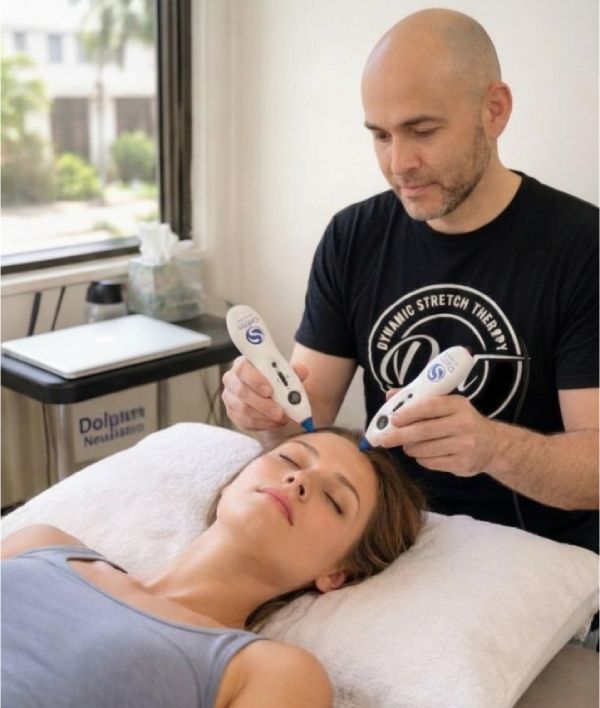
Dolphin MPS Sensory Balancing Therapy at Dynamic Stretch Therapy in Honolulu is designed to help the body shift out of fight-or-flight and into a calmer, more regulated state. Instead of focusing only on muscles or posture, this therapy works with the autonomic nervous system so your brain can process sensory input more efficiently.
When Your System Feels Stuck on "High"
Sensory overload doesn’t always look dramatic. It can show up subtly, such as:
- Feeling anxious in busy environments
- Sensitivity to noise, light, or touch
- Difficulty concentrating or switching tasks
- Emotional reactivity that feels out of proportion
- Jaw tension, shallow breathing, or clenched posture
- Trouble sleeping even when you’re exhausted
- A sense of being disconnected or “not fully here”
When the nervous system stays defensive, it treats everyday stimuli as threats. Muscles tighten. Fascia stores stress. Breathing shortens. Over time, that pattern can feel like your new normal.

Why Managing Symptoms
Isn’t Always Enough
You can address posture, stretch tight areas, or work on coping skills – but if the autonomic nervous system remains dysregulated, the body may snap back into tension quickly. That’s because the root issue isn’t just muscular. It’s neurological.
Sensory Balancing Therapy focuses on helping the system feel safe enough to adapt again. When the body no longer perceives constant threat, it can relax its guard and respond more appropriately to everyday input.
A Gentle, Whole-System Approach
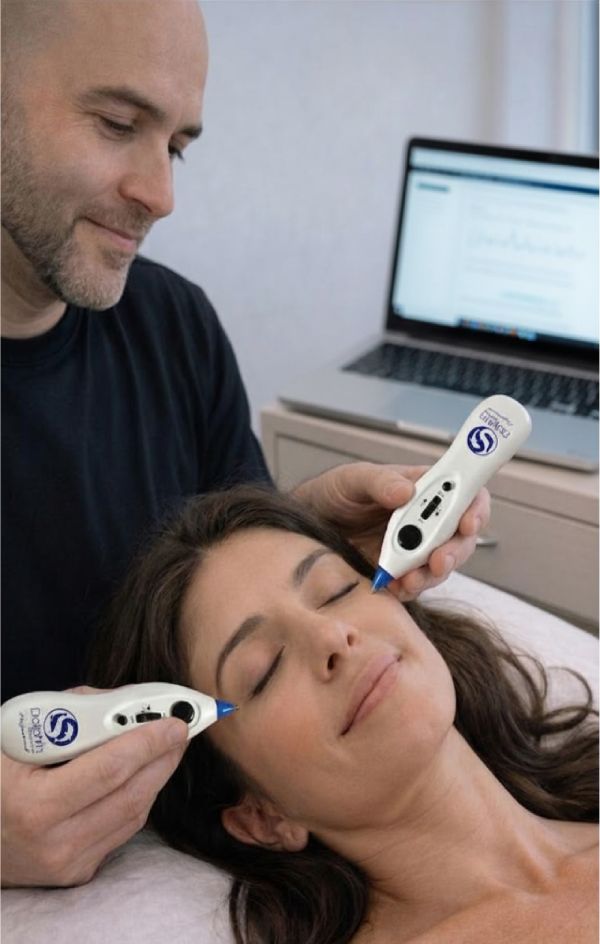
Dolphin MPS Sensory Balancing Therapy blends several non-invasive techniques to support regulation, including:
- Microcurrent point stimulation
- Auricular therapy to influence nervous system pathways
- Fascia release to reduce stored stress patterns
- Vagal nerve support to encourage parasympathetic activation
Sessions are calm, measured, and paced to avoid overstimulation. There is no aggressive manipulation. The intention is to reduce emotional and physical reactivity, allowing the brain and body to communicate more clearly.
As stored tension in fascia, scars, jaw patterns, posture imbalances, and stress pathways begins to soften, the system often becomes more adaptable and less defensive.
Support for Autism & Sensory Processing Differences
Many individuals with autism or sensory processing differences experience a heightened stress response, where the nervous system stays in a protective state. This can make everyday input – sound, light, touch, transitions – feel overwhelming or difficult to process.
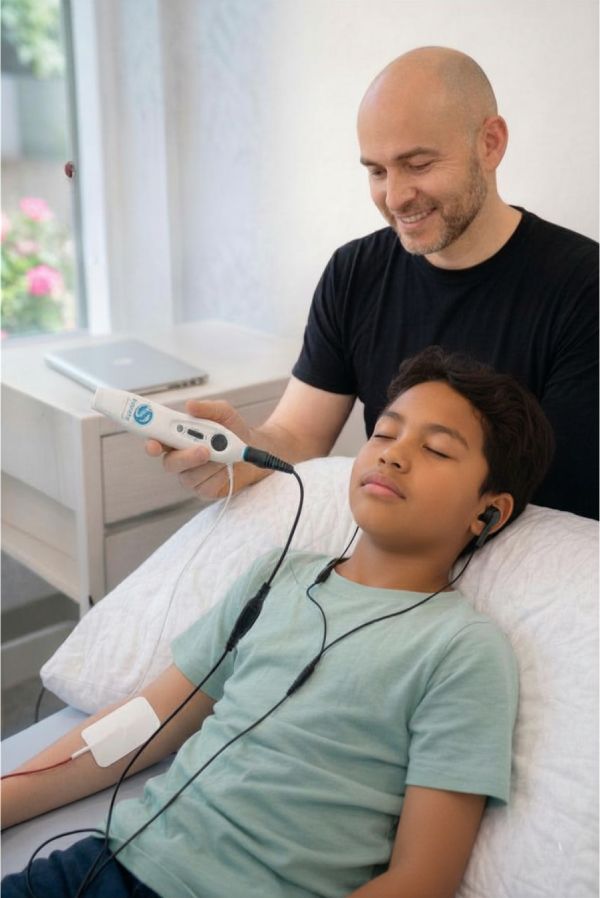
Dolphin MPS Sensory Balancing Therapy is designed to gently support regulation by helping the body shift out of that constant stress response. Through microcurrent point stimulation, auricular therapy, and vagal nerve support, sessions aim to create a calmer internal environment where sensory input can be processed more comfortably.
Some emerging research on microcurrent therapy in individuals with autism has shown promising improvements in areas such as sensory processing, communication, and self-regulation. While more research is still needed, this approach may serve as a supportive addition alongside existing therapies.
Each session is adapted to the individual – whether that means a quieter setting, slower pacing, or minimal stimulation – so the experience feels safe, predictable, and comfortable.
What Our Clients in Honolulu Often Notice From Dolphin MPS Sensory Balancing Therapy
Every person responds differently, yet many clients report:
- Feeling more grounded and present
- Improved sleep quality
- Less reactivity to sound, light, or busy environments
- Reduced jaw clenching and muscle tension
- More stable mood and emotional control
- Easier social interaction with increased confidence
- A deeper sense of calm without sedation
- Improved tolerance to sensory input in daily environments
- Better focus and attention throughout the day
The shift is often described as subtle but meaningful – a sense that the body is no longer bracing against the world.
Who is Dolphin MPS Sensory Balancing Therapy for?
This therapy may be supportive for:
- Adults and children experiencing anxiety
- Individuals with ADHD-related sensory overwhelm
- Autism and sensory processing differences
- Trauma-related stress patterns
- Chronic stress and nervous system overload
- Developmental stress patterns
- Clients who feel easily triggered or overstimulated
It is not a replacement for medical or psychological care, yet it can complement therapy, behavioral support, and other wellness approaches. If you have a pacemaker, seizure history, or a condition that affects tolerance to electrical stimulation, share that before booking.

Your 4-Step Sensory Balancing Experience at DST
Each session follows a steady, low-stimulation process designed to help your system settle and reset.
1. Consult
You’ll discuss your symptoms, triggers, sleep patterns, and daily stress load. The goal is to understand how your nervous system has been responding.
2. Customize
Your practitioner selects techniques and pacing based on your sensitivity level and current state. No two sessions are identical.
3. Treat
Gentle microcurrent, auricular points, fascia work, and vagal-focused inputs are applied in a calm environment. The session is structured to help your system settle rather than stimulate it.
4. Integrate
You’ll check in on changes in breathing, tension, emotional state, and overall clarity. Simple suggestions may be offered to help reinforce regulation between visits.
Book Your Sensory Balancing Therapy Session Today
If your system feels overstimulated or constantly on edge, book Dolphin MPS Sensory Balancing Therapy in Honolulu before appointments fill.
Your body deserves to feel safe and steady again.
What Our Clients Say
FAQs About Sensory Balancing Therapy
What is Dolphin MPS Sensory Balancing Therapy in Honolulu?
It is a gentle, nervous-system-focused therapy designed to help shift the body from fight-or-flight into a calmer, parasympathetic state. Sessions may include microcurrent stimulation, auricular therapy, fascia release, and vagal support. The goal is improved regulation, not forceful change.
Can this balancing therapy help with anxiety or sensory overload?
Many clients seek it for anxiety, emotional reactivity, and hypersensitivity to noise or light. By supporting autonomic balance, the body may become less reactive to everyday stimuli. It does not replace mental health care, yet it can complement counseling and other therapeutic approaches.
Is Dolphin MPS Sensory Balancing Therapy appropriate for children or adults with autism in Honolulu?
Yes, this therapy is designed to be gentle, non-invasive, and adaptable, which makes it a strong option for individuals with autism or sensory processing differences. Sessions can help support regulation, reduce overwhelm, and improve tolerance to everyday sensory input. Some emerging research suggests microcurrent therapy may support improvements in communication, sensory processing, and daily function. It is not a cure, but it can complement existing therapies. Always consult with your healthcare provider before starting any new treatment.
How many Dolphin MPS Sensory Balancing Therapy sessions will I need in Honolulu?
Some clients feel calmer after one session. For longer-standing stress patterns, a short series often helps the nervous system stabilize. Frequency depends on symptom history, stress load, and how consistently your body holds the shift between visits.
Is Dolphin MPS Sensory Balancing Therapy safe in Honolulu?
The therapy is non-invasive and generally well tolerated when performed by a trained practitioner. It should be discussed in advance if you have a pacemaker, seizure disorder, or other conditions affecting electrical stimulation tolerance. It is supportive care and not emergency treatment.