Dolphin MPS TBI/Concussion Therapy in Honolulu, HI
Calm Your Nervous System
Struggling with lingering concussion symptoms? Dolphin MPS TBI/Concussion Therapy in Honolulu supports nervous system balance and calmer recovery.
Calm The Nervous System & Support Real Recovery
A concussion doesn’t always end when you’re “cleared.” For many people, the hardest part is what lingers – head pressure, headaches, brain fog, sleep that won’t settle, light or noise sensitivity, dizziness, jaw tension, mood swings, and a nervous system that feels stuck in high alert.
You might look fine on the outside while your body feels overloaded on the inside. When that keeps going, it can affect school or work, training, relationships, and confidence in your own body.
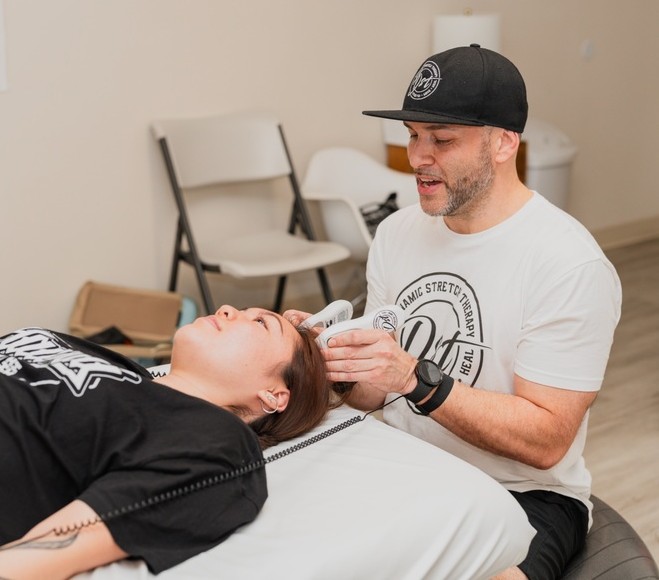
Dolphin MPS TBI/Concussion Therapy at Dynamic Stretch Therapy in Honolulu is built to support recovery by reducing stress on the nervous system – without aggressive techniques or overstimulation. The focus is creating a calmer baseline so your brain and body can do what they’re designed to do: heal.
When Symptoms Don’t Match the "Severity" of the Hit
Post-concussion issues can feel confusing. You may hear, “It was a mild concussion,” yet you still don’t feel like yourself. That’s because concussion-related symptoms rarely live in just one place. They can involve the eyes, neck, jaw, cranial sutures, fascia, scars from past injuries, inflammation load, and the autonomic nervous system that controls stress response.
Common patterns include:
- Headaches that flare with screens, stress, or busy environments
- “Foggy” thinking, slower processing, or poor focus
- Sleep disruption and waking unrefreshed
- Light or sound sensitivity
- Neck stiffness, jaw clenching, or TMJ tension
- Emotional swings, irritability, or feeling easily overwhelmed
Trying to push through these symptoms often backfires. When the nervous system stays in fight-or-flight, the brain has fewer resources for repair.

Why Forcing Recovery
Can Keep You Stuck
A sensitive nervous system does not respond well to intensity. Too much stimulation – hard workouts, deep bodywork, aggressive adjustments, nonstop screens, constant stress – can keep symptoms cycling. Many people end up treating one symptom at a time (neck tension, eye strain, dizziness) without addressing the bigger issue: the system is dysregulated.
That’s why this approach starts with regulation first. When the body can downshift, symptoms often become less “reactive,” and recovery becomes steadier. Small, steady shifts often create more lasting change than forcing intensity.
A Whole-System Approach
That Stays Gentle
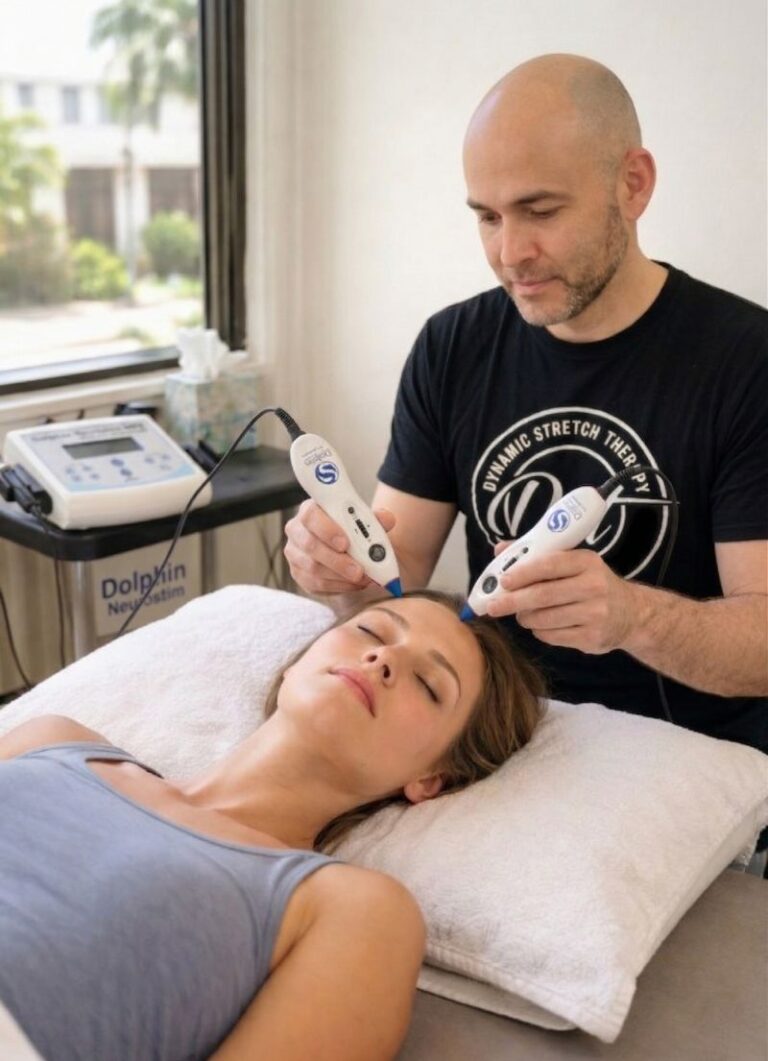
Concussion + TBI Therapy at Dynamic Stretch Therapy blends several gentle methods that aim to support autonomic balance and healthier neurological function. Sessions may include:
- Microcurrent point stimulation (Dolphin MPS): light, targeted input used to support nervous system signaling and reduce stress load
- Cranial suture release: gentle work around the head intended to reduce tension patterns and support ease
- Scar release: focused work around old scars that may contribute to fascial pull and protective tension
- Vagal nerve support: calming inputs that aim to help the body shift out of fight-or-flight
- Autonomic balancing: session pacing designed to avoid overload and support a calmer baseline
This is not about “fixing” you in one visit. It’s about giving your body a safer environment to recover – one that respects sensitivity and builds progress without triggering setbacks.
Which Benefits Our Clients in Honolulu Often Notice
Results vary from person to person, and concussion care should be guided by qualified medical professionals.
Still, many clients seek this work because it is non-invasive and paced for sensitive systems. People often report shifts such as:
- Clearer thinking and less mental fatigue
- Reduced headache intensity or frequency for some clients
- Improved sleep quality and easier downshifting at night
- Less jaw tension, neck guarding, or overall bracing
- Reduced reactivity to light, noise, or busy environments
- A steadier mood and less “overwhelm”
The most common theme is simple: the body feels calmer, so symptoms feel less controlling.
Who Benefits Most from Dolphin MPS TBI/Concussion Therapy
This can be a strong fit for people dealing with lingering post-concussion symptoms, including:
- Athletes with repeat hits
- Car accident injuries and whiplash patterns
- Chronic PCS cases that have not fully resolved
- People who feel sensitive to intense treatments
- Clients who want a whole-system approach, not symptom chasing
If you have new or worsening neurological symptoms, severe headache, fainting, or concerning changes, seek urgent medical care first.
This therapy is supportive care, not emergency treatment.
Your 4-Step TBI/Concussion Therapy Experience at Dynamic Stretch Therapy
Your session is broken into four focused steps, each built to match your sensitivity and support real change.
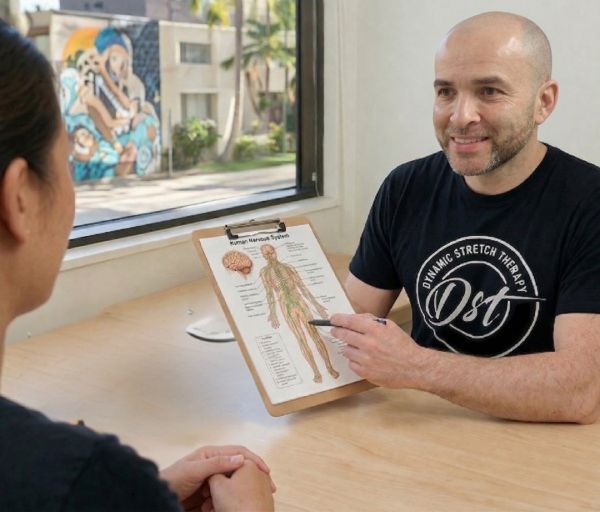
1. Consult
You’ll discuss your injury history, current symptoms, triggers, and what your “good days” and “bad days” look like. The goal is to understand your nervous system pattern.
2. Customize
Your practitioner selects techniques based on your sensitivity and presentation that day. Session pacing is part of the treatment—steady, calm, and respectful of your threshold.
3. Treat
You’ll receive gentle microcurrent point work and other non-invasive methods such as cranial, scar, and vagal-focused techniques when appropriate. Nothing is forced. The session is designed to help your system settle.
4. Re-check & Plan
You’ll review changes in symptoms such as head pressure, clarity, jaw tension, and overall calm. You may also receive simple guidance for between sessions so your progress keeps building.
Book Your TBI/Concussion Therapy Session Today
If post-concussion symptoms are still affecting your life, book Dolphin MPS TBI/Concussion Therapy in Honolulu before openings fill.
A calmer nervous system is a powerful starting point.
What Our Clients Say
Frequently Asked Questions
What is Dolphin MPS TBI/Concussion Therapy in Honolulu?
This is a gentle, nervous-system-focused approach that may support post-concussion recovery by helping the body downshift out of fight-or-flight. Sessions can include microcurrent point stimulation, cranial suture release, scar release, vagal-focused calming inputs, and autonomic balancing. The goal is to reduce overload and support steadier healing, not to force the body through intense stimulation.
What symptoms can this therapy help with after a concussion in Honolulu?
Clients often seek it for headaches, brain fog, sleep disruption, jaw and neck tension, dizziness, mood swings, and light or noise sensitivity. Responses vary, and it’s not a substitute for medical care. Many people like that the session is paced for sensitive systems and aims to address the whole pattern instead of treating one symptom alone.
Is this therapy safe if I’m very sensitive or easily triggered by treatment?
The session is designed to be gentle and low-stimulation. Your practitioner works within your comfort range and keeps the pace slow enough to avoid overload. If you have a pacemaker, seizure history, or a condition that affects tolerance to electrical stimulation, share that before booking. If symptoms are severe or worsening, seek medical evaluation first.
How many sessions do people in Honolulu usually need for post-concussion support?
Some clients notice a shift in calm, clarity, or sleep after one session. Chronic PCS or repeat injuries often respond better to a short series so the nervous system can hold the change. Your plan depends on symptom history, triggers, stress load, and how your body responds between sessions. Steady progress matters more than intensity.
Can this replace my doctor, neurologist, or concussion specialist in Honolulu?
No. This therapy is supportive care meant to complement medical guidance, not replace it. If you have a recent concussion, new symptoms, or red-flag signs, follow medical advice first. This work can pair well with a provider-led plan by supporting nervous system regulation, comfort, and recovery capacity while you follow appropriate return-to-learn or return-to-play steps.