Many pain issues come from poor blood flow and restricted tissue movement, not just tight muscles. When blood flow to the area drops, tissues stiffen. Pain signals increase. Recovery slows. That is where cupping therapy comes in.
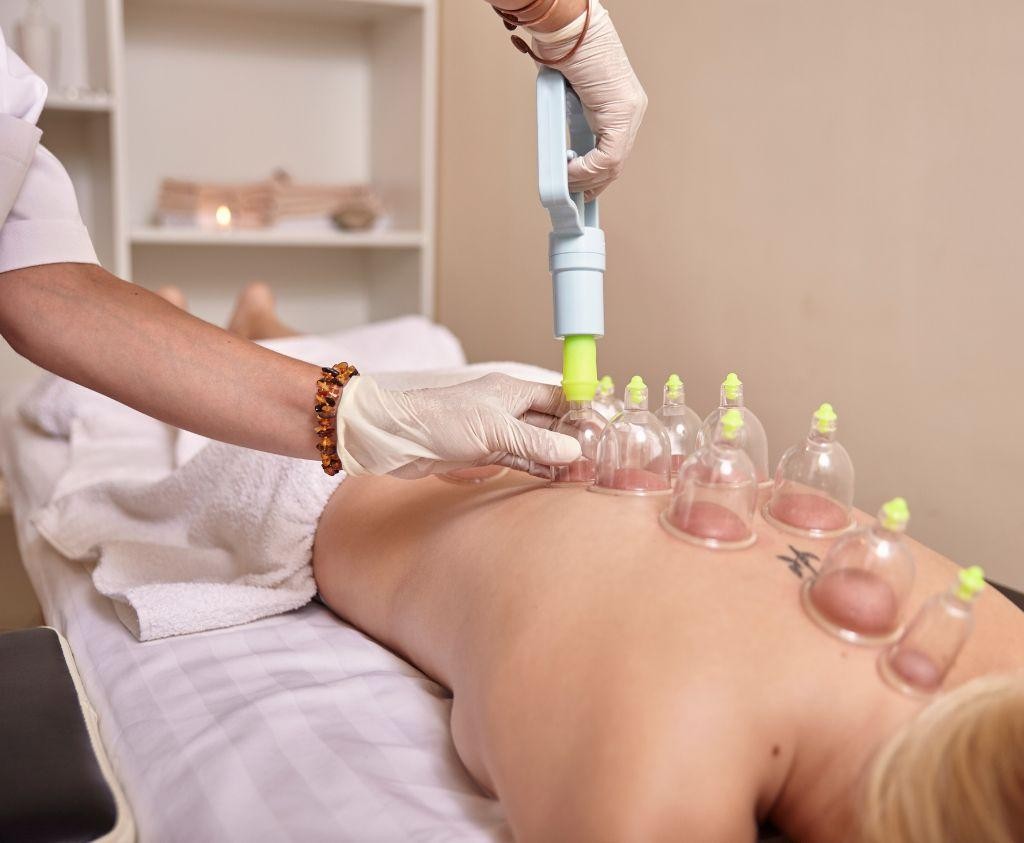
Cupping therapy offers a natural way to reduce pain, improve blood flow, and support physical therapy without medication or invasive care. At Dynamic Stretch Therapy in Honolulu, cupping therapy gets used as part of a hands-on pain management plan that focuses on how your body actually moves.
Cupping therapy is not new. Therapy is an ancient healing method used back to ancient cultures. What changed is how it is applied today. Modern cupping uses controlled suction, clinical judgment, and movement based techniques to support pain relief and long-term function.
What Is Cupping Therapy and How It Works
Before getting into benefits, it helps to understand how cupping therapy works and what makes it different from trends you may see online.
Definition and History of Cupping Therapy
Cupping therapy is an ancient therapy used for pain management and overall health. Historically, people used fire cupping or wet cupping therapy to create suction. Wet cupping involves small skin incisions and bloodletting. That approach is not used in modern physical therapy settings.
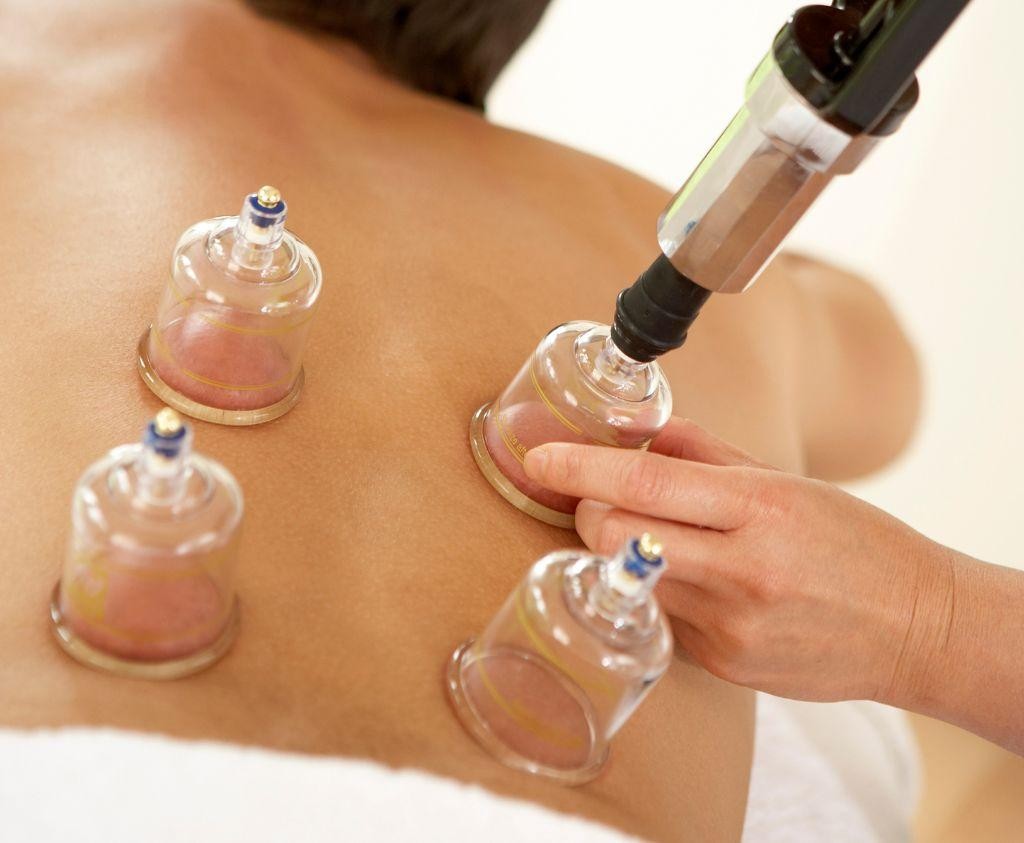
Today, dry cupping is the standard in clinical care. Dry cupping uses cups and suction only. The skin stays intact. No bleeding occurs. This method aligns with modern safety standards and current medical guidance.
Cupping therapy is used now as a complementary treatment for musculoskeletal pain, chronic pain, and mobility issues.
What Makes Cupping Therapy Different
Not all cupping techniques are the same. X cupping therapy focuses on controlled suction and movement. Instead of leaving cups in one place, your therapist may guide you through gentle motion during a cupping session.
This approach matters. Movement helps retrain pain signals and improves how blood flow to the area responds. Massage cupping and static cupping may feel good, but movement-based cupping often creates longer-lasting results.
How Cupping Therapy Works in the Body
Cupping therapy works by creating negative pressure on the skin and underlying tissue. Suction lifts tissue instead of compressing it. That change allows:
- Increased blood flow to the area
- Reduced tissue stiffness
- Improved fascial glide
- Calmer pain signals
Studies suggest that cupping therapy may improve circulation and reduce pain by affecting local blood flow and nervous system response.
Key Physical Benefits of Cupping Therapy
The benefit of cupping therapy depends on how and why it is used. When applied correctly, cupping therapy can help with pain relief and recovery.
Pain Relief and Musculoskeletal Decompression
Pain often comes from pressure. Tight tissue presses on nerves and joints. Cupping can reduce pain by lifting tissue layers and creating space.
Cupping therapy can help with:
- Back pain and chronic back pain
- Neck pain and shoulder tension
- Low back pain
- Hip stiffness
- Arm and leg discomfort
Cupping may help with both acute pain and chronic pain. Chronic pain often responds well to improved blood flow and reduced tissue restriction over time.
Increased Blood Flow and Tissue Recovery
Blood flow drives healing. When blood flow drops, recovery slows. Cupping therapy increases blood flow to the area by pulling blood closer to the surface. That response supports tissue repair and may reduce pain after activity.
Athletes often use cupping treatments to recover from training. Office workers use cupping to manage postural pain. Both benefit from better circulation.
Fascial Release and Better Mobility
Fascia connects muscles and joints. When fascia stiffens, movement feels limited. Cupping helps loosen fascial layers and improve movement quality.
When fascia moves better, joints move better. That connection explains why cupping therapy helps restore range of motion without aggressive force.
Does Cupping Pull Out Knots and Release Muscle Tension?
Many people ask this question because they feel knots everywhere.
Muscle Knots vs Fascial Restrictions
Muscle knots often involve trigger points and fascial tension, not just muscle tightness. Trigger points send pain signals. Fascial restrictions limit movement.
How Cupping Addresses Soft Tissue Problems
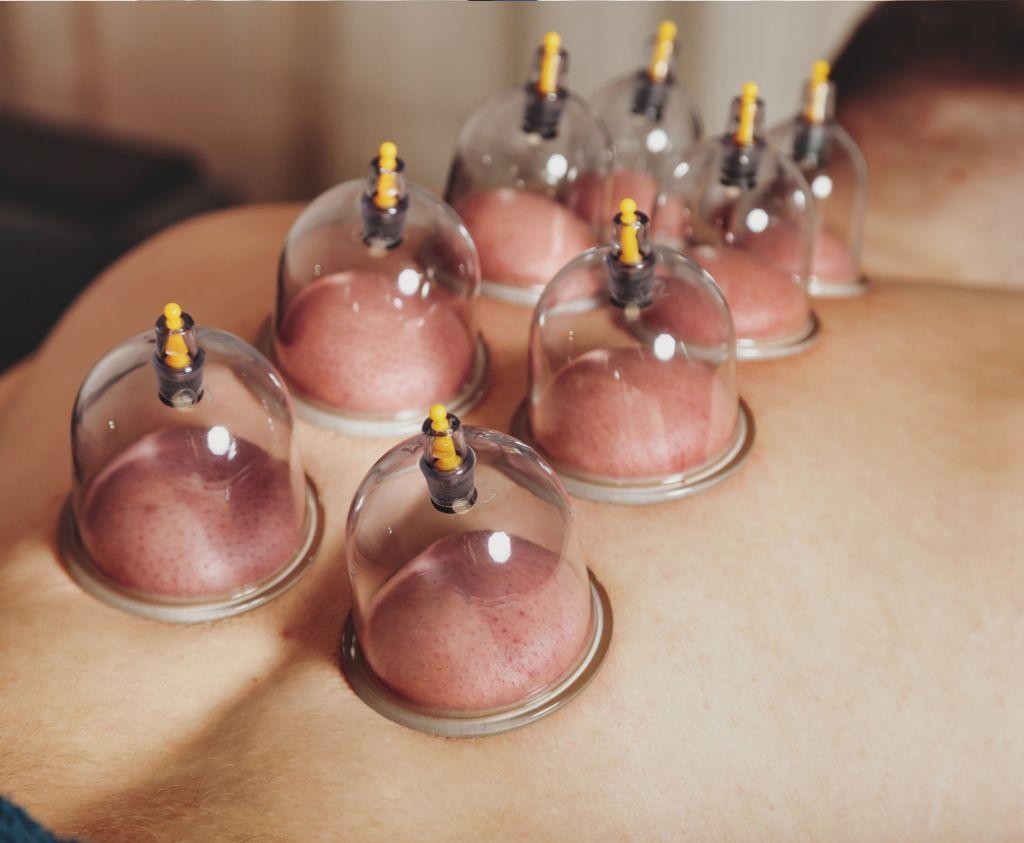
Cupping works differently than deep tissue massage. Massage compresses tissue. Cupping lifts it. That difference matters.
Lifting tissue allows:
- Reduced compression on nerves
- Improved blood flow
- Less soreness after treatment
Cupping can reduce pain without creating the soreness some people feel after aggressive manual therapy.
What Comes Out During Cupping and the Truth About Toxins
Cupping marks cause confusion. Let’s clear that up.
Why Cupping Marks Appear
Cupping marks are not bruises. They result from blood flow changes under the skin. Darker marks often show areas with restricted circulation. Lighter marks suggest healthier tissue.
Marks usually fade within a few days.
Does Cupping Remove Toxins?
Cupping does not remove toxins from your body. Your liver and kidneys handle that job. Cupping supports circulation and lymphatic movement. That support helps your body do its work more effectively. Claims about toxins leaving through the skin are not supported by medical evidence.
Conditions Commonly Treated With Cupping Therapy in Honolulu
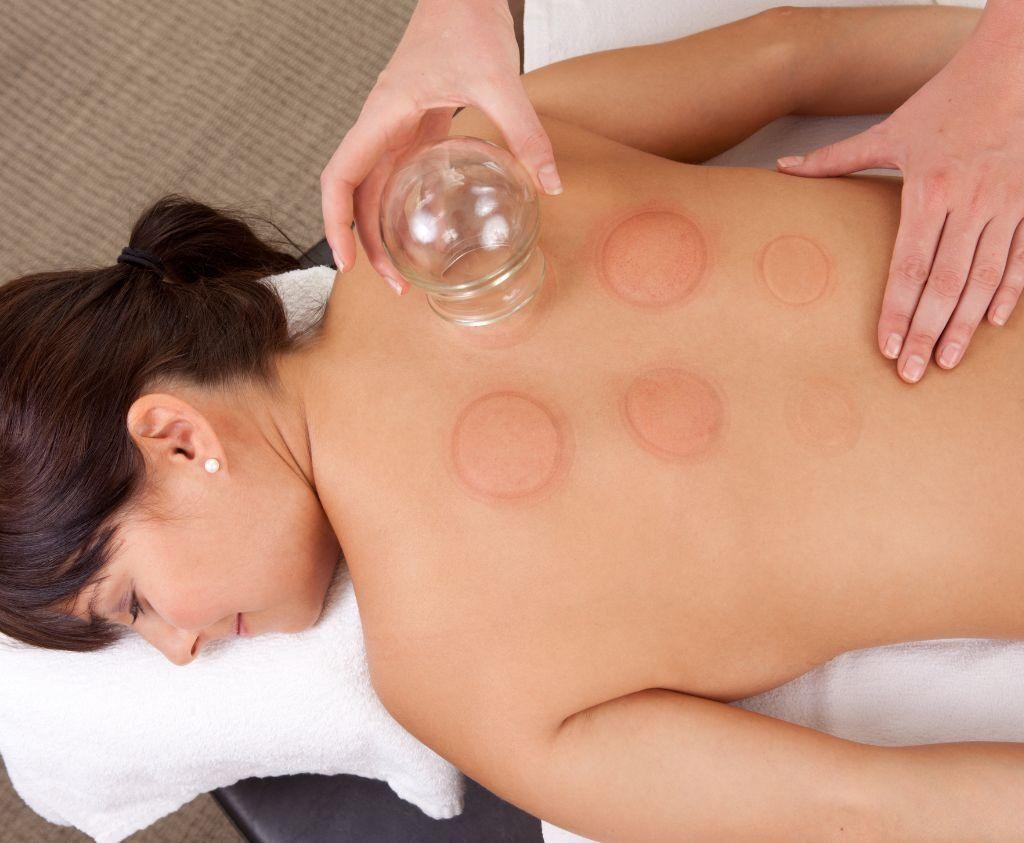
Different lifestyles create different stress patterns. Cupping therapy helps across many situations.
Sports and Athletic Recovery
Athletes use cupping for:
- Martial arts injuries
- Surfing and paddling strain
- Gym training recovery
Cupping helps reduce pain and speed recovery when combined with physical therapy.
Chronic Pain and Postural Stress
Desk work, driving, and travel create predictable pain patterns. Neck pain, shoulder tension, and low back pain respond well to cupping therapy when blood flow improves.
Cupping for Migraines and Head Tension
Cupping may help migraines related to neck and upper back tension. Cups stay off the head. Treatment focuses on surrounding tissue. Cupping is not appropriate for all migraine types. Always consult your healthcare provider if headaches worsen.
What Not to Do After a Cupping Therapy Session
Results depend on what you do after treatment.
Skin Care and Heat Exposure
Avoid hot tubs, saunas, and sun exposure for at least 24 hours. Skin sensitivity increases after cupping.
Why You Should Avoid Showering Right Away
Cupping opens pores temporarily. Showering immediately may irritate the skin. Wait four to six hours before showering.
Activity After Cupping
Light movement helps. Hard training does not. Drink water and allow recovery.
Where You Should Avoid Cupping and Who Should Not Try It
Cupping therapy is generally considered safe, but not for everyone.
Areas You Should Avoid
Avoid cupping on:
- Open wounds
- Fragile skin
- Varicose veins
- Active infections
Who Should Avoid Cupping Therapy
Avoid cupping if you have bleeding disorders, use blood thinners, or have certain medical conditions. Always seek medical clearance when unsure.
How Often Should You Do Cupping Therapy?
Frequency depends on your goal.
Cupping Frequency by Goal
| Goal | Suggested Frequency |
| Acute pain relief | 1 time per week |
| Chronic pain | Every 1 to 2 weeks |
| Athletic recovery | Based on training load |
| Maintenance care | Once per month |
Combining Cupping With Stretch Therapy
Dynamic Stretch Therapy incorporates cupping with fascial stretch therapy and manual therapy. Personalized care matters more than treatment volume.
Why Choose Dynamic Stretch Therapy for Cupping in Honolulu
Experience matters in hands-on care.
Andrew Escudero’s Training and Background
Andrew Escudero is certified in Fascial Stretch Therapy, cupping, IASTM, kinesiology taping, muscle flossing, and LifeStretch. His approach blends movement and manual care.
A Movement Based Approach to Pain
Pain often returns when treatment ignores movement. Dynamic Stretch Therapy focuses on restoring how you move, not chasing symptoms.
Local Care Since 2019
Serving Honolulu since 2019, Dynamic Stretch Therapy supports both active and everyday clients with practical, honest care.
Frequently Asked Questions About Cupping Therapy
1. How long do cupping marks last?
Most cupping marks fade within three to seven days.
2. Is cupping therapy painful?
Cupping feels like pressure. Pain should not occur when done correctly.
3. Can cupping be combined with stretching or massage?
Yes. Combining cupping with manual therapy often improves results.
4. Is cupping safe for first time clients?
Yes, when a trained cupping therapist performs proper screening.
5. How soon can I work out after cupping?
Light activity the next day works best. Avoid intense training immediately after.
Final Words – Is Cupping Therapy Right for You?
Cupping therapy can help reduce pain, improve blood flow, and support physical therapy when used correctly. It works best as part of a complete pain management plan, not a stand-alone fix.
If pain keeps returning or movement feels restricted, cupping therapy may offer a natural option worth trying. The key is proper technique, clinical judgment, and a plan that fits your body.
Schedule a one-on-one consultation at Dynamic Stretch Therapy in Honolulu. We will assess how your body moves, identify what is driving the pain, and decide if cupping therapy belongs in your care plan.

Andrew Escudero, Certified Fascial Stretch Specialist and founder of his practice in Hawaii, has been helping clients restore pain-free mobility since 2019. With advanced training in Fascial Stretch Therapy, Dolphin MPS, RockTape techniques, and other modern bodywork methods, he combines expertise and personal experience to support lasting healing.