
Chronic tightness that never fully goes away is usually not a muscle issue. It is often a fascia problem. When the fascial system, the connective tissue that runs throughout the entire body, becomes restricted, it limits the range of motion, creates muscle knots, and leads to ongoing stiffness and discomfort.
That is why basic stretching and foam rolling only go so far. They target muscles on the surface, but they often miss deeper fascial tissue. The result is temporary relief that fades quickly, followed by the same tightness returning the next day.
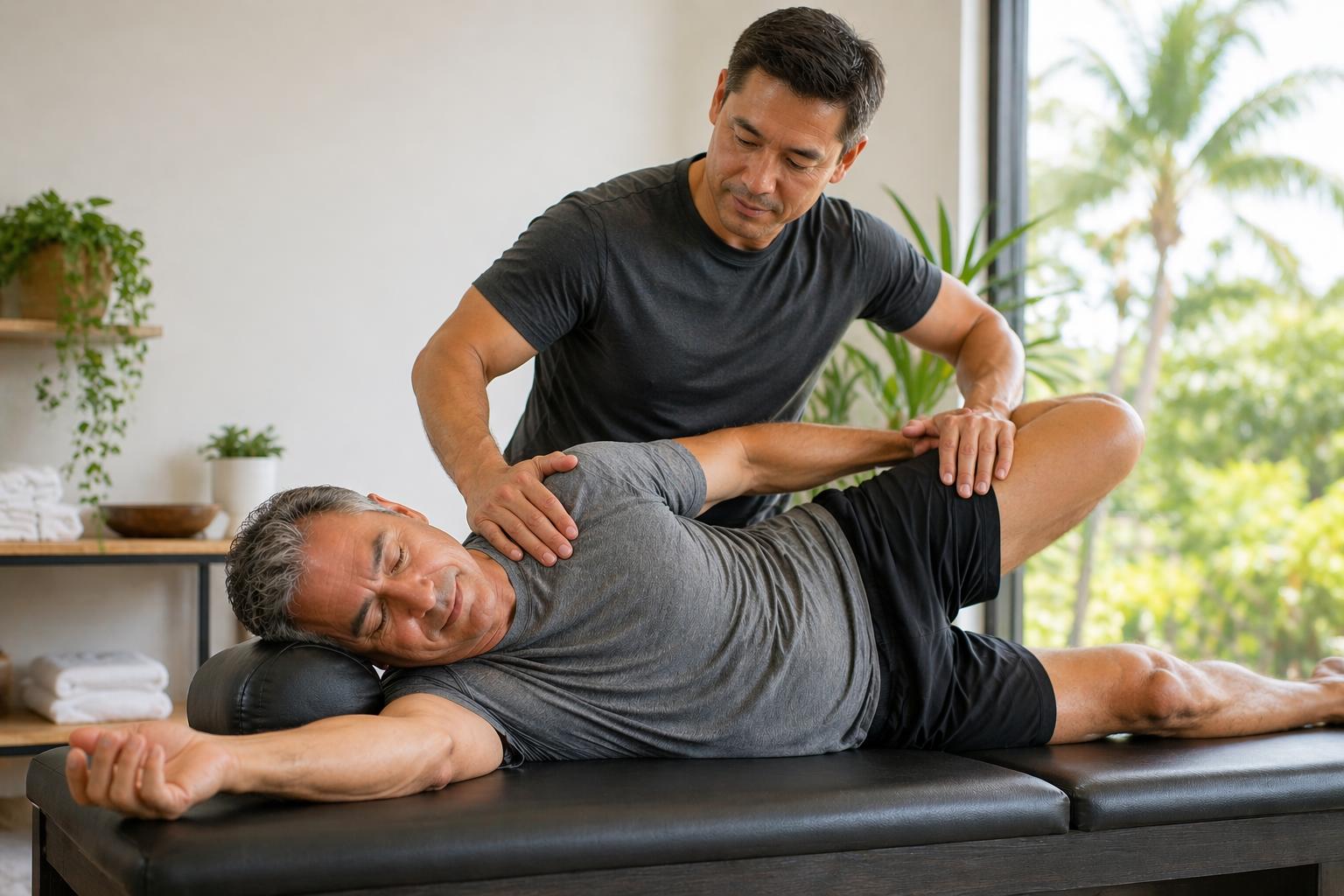
As a stretch therapist, I often see this pattern. Tight fascia responds differently. It requires controlled, full-body movement to release tension, improve circulation, and restore elasticity across multiple fascial lines. This is where fascia stretching exercises in Honolulu for lasting relief make a real difference.
In an active place like Honolulu, where surfing, training, and outdoor movement are part of daily life, keeping fascia healthy is essential. Dynamic Stretch Therapy focuses on targeted techniques that help the body move better, recover faster, and stay pain-free over time.
Understanding Fascia: The Foundation of Movement
Fascia plays a direct role in how your body feels every day.
What Is Fascia and How It Functions
Fascia is a connective tissue network that wraps around your muscles, joints, and even organs and muscles. It connects everything. That means when one area tightens, it can affect another.
Healthy fascia is flexible and elastic. It allows smooth movement, supports posture, and helps transfer force across the body. According to the Cleveland Clinic, fascia also supports structure and movement coordination.
When your fascia works well, you feel light and mobile. When it does not, everything feels off.
What Happens When Fascia Becomes Restricted
Before you can fix it, you need to understand what goes wrong.
Tight fascia can develop from:
- Sitting too long
- Repetitive workouts
- Injury or inflammation
- Poor posture
This leads to unhealthy fascia, where the tissue loses elasticity and forms adhesions. You might notice:
- Constant stiffness
- Reduced range of motion
- Pain that moves around
- That annoying knot that never goes away
Research shows fascial restrictions can contribute to chronic conditions and pain patterns.
Why Traditional Stretching Falls Short
Most people rely on basic stretching routines. The problem is those mainly target muscle fibers.
Fascia responds differently. It needs multi-directional movement and gentle traction. Static stretching does not fully release fascia or improve blood flow through the tissue.
You might feel better for a bit, then tight again the next day. That is the gap fascia stretching fills.
The Science Behind Fascia Stretching for Lasting Relief
Understanding how this works helps you stay consistent with it.
How Fascia Stretching Improves Mobility
Fascia stretching focuses on lengthening connective tissue across fascial lines, not just one muscle.
This approach helps:
- Decompress joints
- Improve circulation and lymphatic flow
- Restore natural movement patterns
A study in the Journal of Bodywork and Movement Therapies supports the role of fascial work in improving flexibility and mobility.
Pain Reduction and Injury Prevention
Pain often comes from adhesions and restricted fascia, not just muscle strain.
Fascia stretching helps:
- Break down adhesions
- Restore elasticity
- Reduce tension throughout the entire body
That means you do not just reduce pain, you lower the chance of injury and diagnostics showing recurring issues.
Nervous System Benefits
Fascia is deeply connected to your nervous system. When you stretch it properly, your body shifts into a relaxation state.
You may notice:
- Slower breathing
- Less muscle guarding
- A calmer body overall
Adding breathing exercises during stretching enhances this effect and improves overall well-being.
Essential Fascia Stretching Exercises for Full-Body Relief
These fascia stretching exercises target major fascial lines. Each one supports better movement and helps release tension.
1. Standing Spiral Stretch
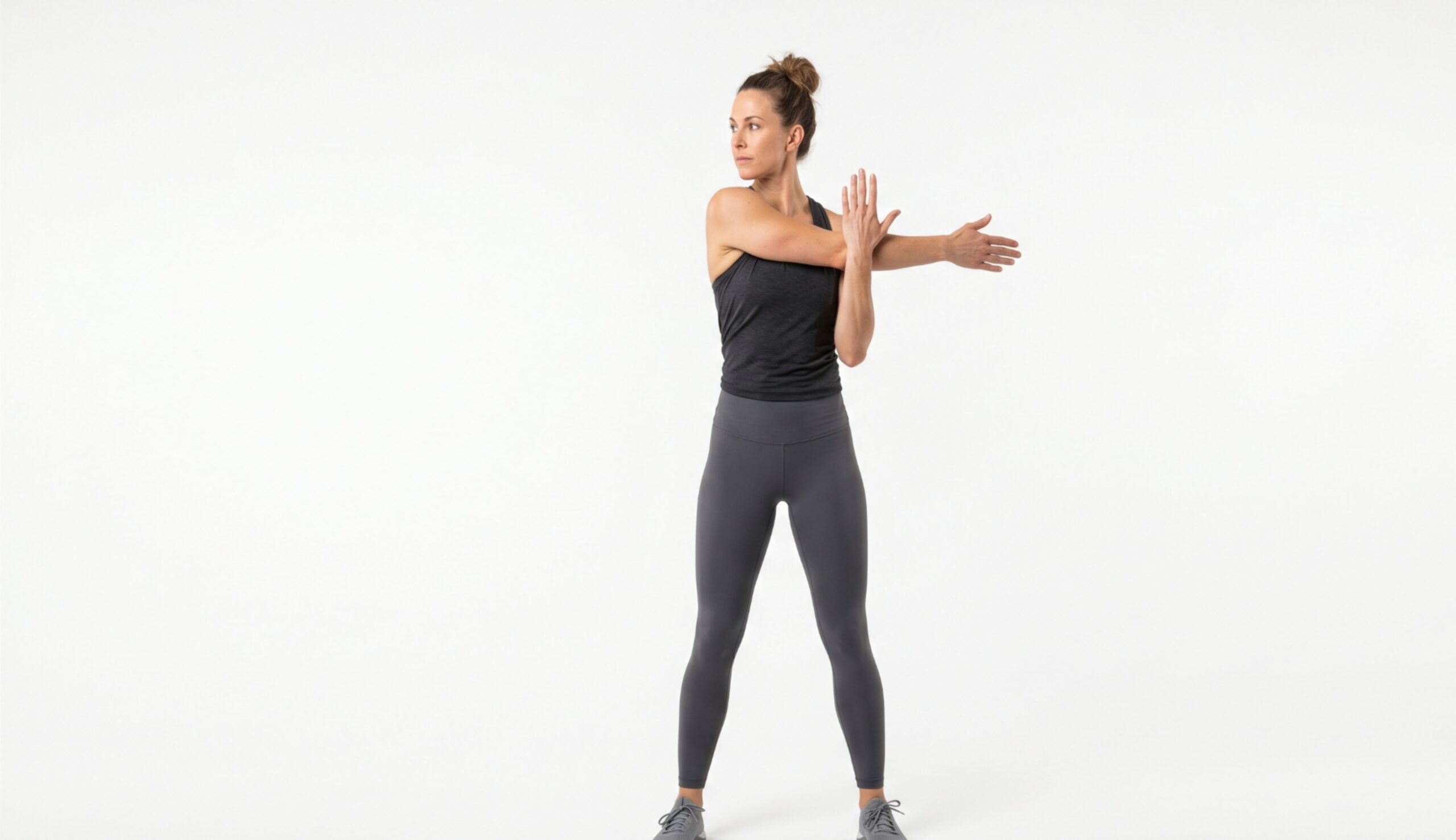
This movement targets the entire body.
- Stand tall
- Rotate your torso slowly
- Let your arms follow naturally
This helps activate rotational patterns and improve spinal mobility.
2. Hip Flexor Fascia Release Stretch
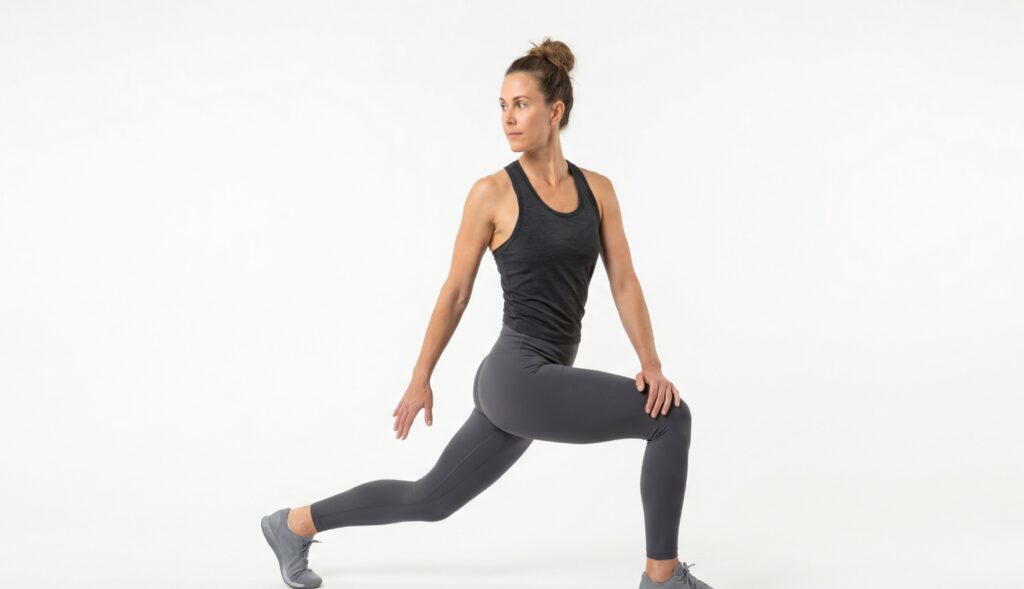
Tight hips are common.
- Step into a lunge
- Shift forward gently
- Add a slight twist
This stretch-and-release technique opens the lower body and reduces low back strain.
3. Thoracic Spine Opener Stretch
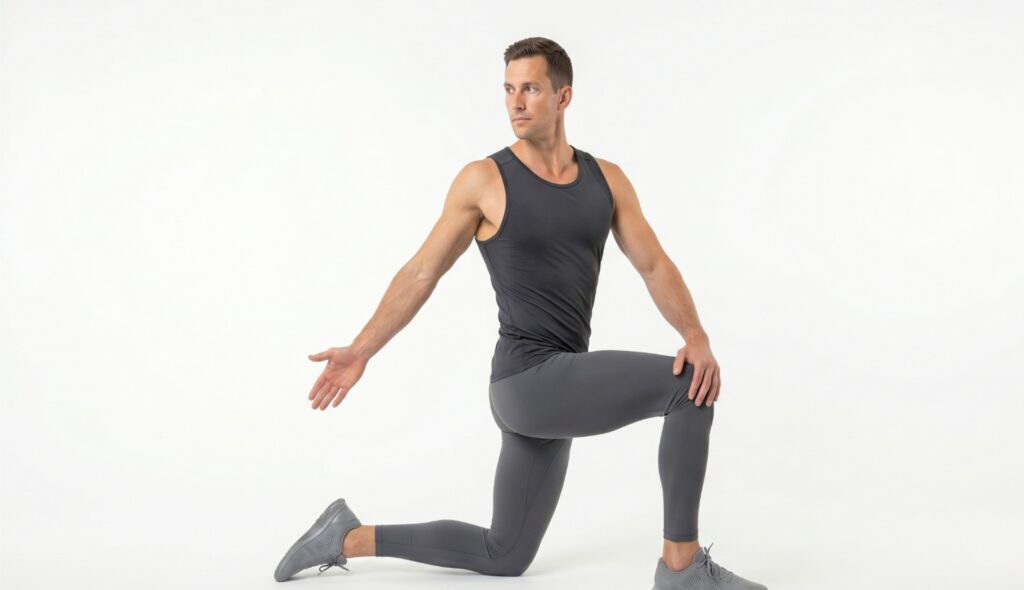
Upper back stiffness limits breathing and posture.
- Sit or kneel
- Rotate your upper body slowly
This helps improve upper back mobility and posture control.
4. Hamstring and Posterior Chain Stretch
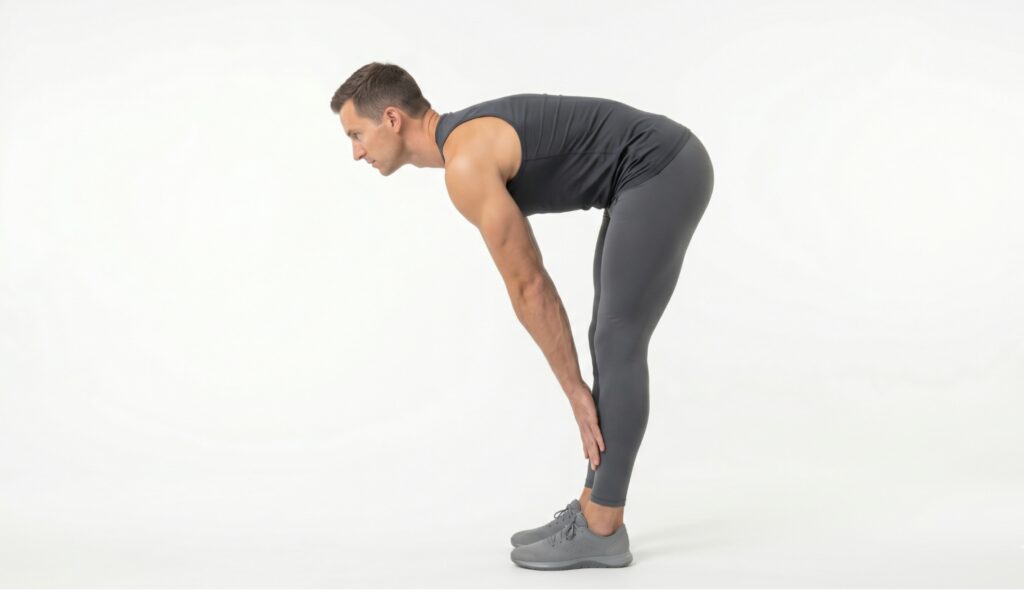
This targets the back of your body.
- Hinge at the hips
- Keep movement controlled
It helps elongate the hamstring and reduce strain on the spine.
5. Shoulder Capsule Stretch
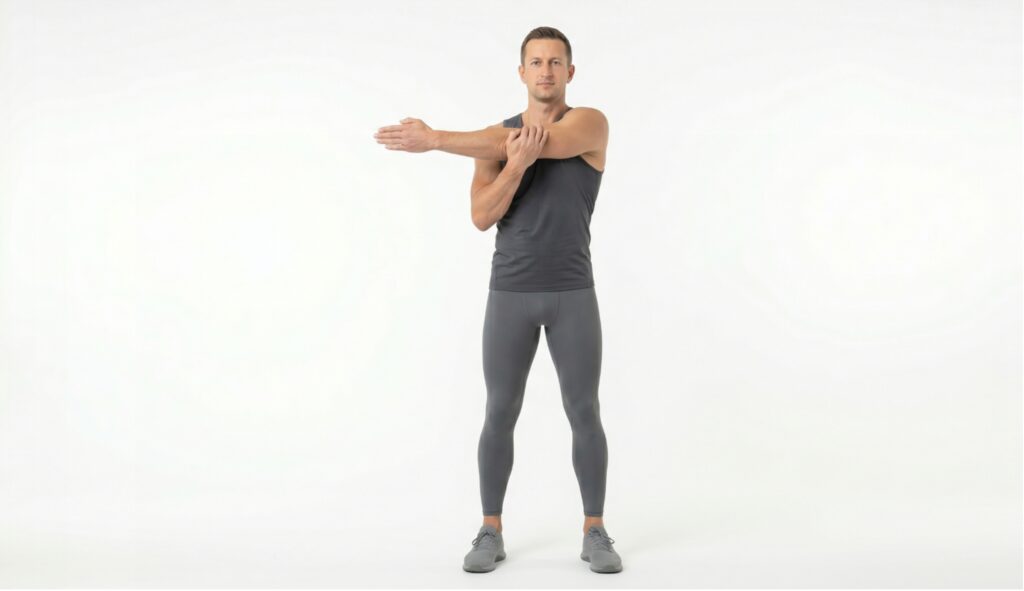
Shoulder tension builds fast.
- Pull your arm across your body
- Keep it gentle
This helps release fascia in the upper and lower body connection.
6. Lateral Line Stretch
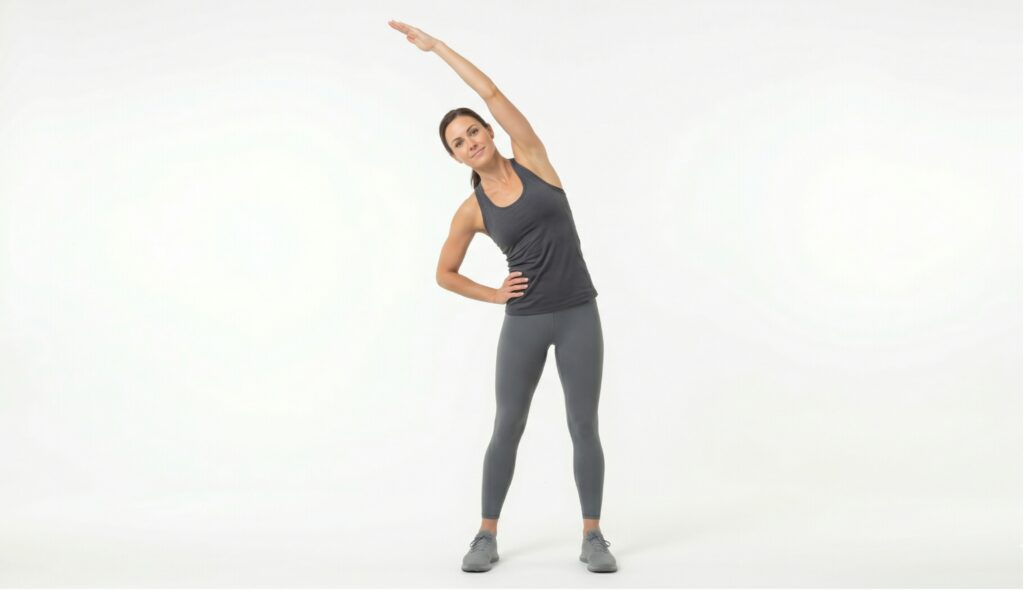
Side body tension is often ignored.
- Reach overhead
- Lean to the opposite side
This stretch improves flexibility across fascial lines.
7. Calf and Achilles Fascia Stretch
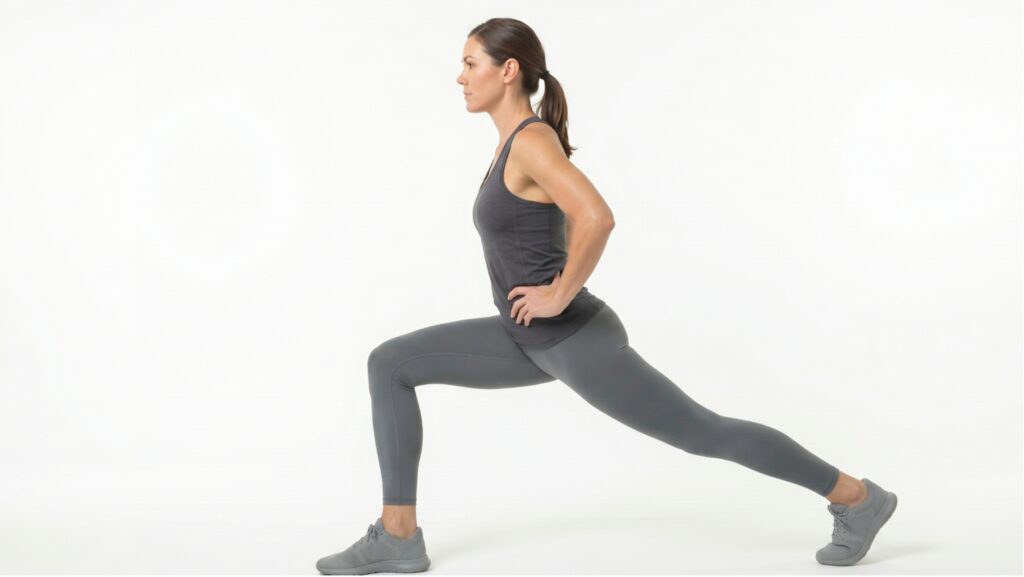
Your calves affect walking and balance.
- Step back into a stretch
- Add slight movement
This improves circulation and supports plantar fasciitis prevention.
8. Neck and Cervical Fascia Release

Screen time creates neck tension.
- Tilt your head gently
- Avoid pulling
This helps release fascia and reduce stiffness.
Fascia Stretching Benefits at a Glance
| Benefit | What You Feel | Why It Matters |
| Improved range of motion | Easier movement | Better performance and daily function |
| Reduced stiffness | Less tightness | More comfort throughout the day |
| Better posture | Upright alignment | Less strain on joints |
| Pain reduction | Fewer flare-ups | Long term relief |
| Improved circulation | Warmer, looser muscles | Faster recovery |
Proper Technique: How to Perform Fascia Stretches Safely
Good technique makes all the difference.
Key Principles for Effective Stretching
Follow these basics:
- Move slowly
- Focus on breathing
- Stay within a comfortable range
Fascia responds best to gentle, consistent tension.
Common Mistakes to Avoid
Watch out for these:
- Forcing a stretch
- Ignoring sharp pain
- Holding your breath
Pain is not progress. It usually means irritation.
When to Seek Professional Guidance
You should get help if:
- Pain keeps coming back
- You feel stuck in your progress
- You have a past injury
A trained therapist can identify restrictions and guide proper treatment.
Why Professional Fascia Stretch Therapy Delivers Better Results
Working with a professional changes everything.
Assisted Stretching vs. Self-Stretching
Self-myofascial release, like foam rolling, helps, but it has limits.
A therapist can:
- Improve alignment
- Apply controlled traction
- Help you relax fully
Fascial Stretch Therapy Approach
FST focuses on multi-joint, multi-plane movement.
This helps:
- Decompress joints
- Improve mobility faster
- Release deeper restrictions
Additional Modalities That Enhance Results
Sessions may include:
- Cupping
- Muscle flossing
- Kinesiology taping
- Myofascial release
These methods improve blood flow and support recovery.
The Dynamic Stretch Therapy Difference in Honolulu

Experience matters when it comes to fascia work.
Founder’s Journey and Expertise
The practice started from real injury experience. Years of training in Brazilian Jiu-Jitsu led to repeated strain and frustration.
That path led to training in fascial stretch therapy and related techniques. The goal became simple. Help others avoid the same cycle.
Personalized Treatment Approach
Every session is tailored to you.
Focus areas include:
- Tight fascia
- Movement limitations
- Pain patterns
This targeted approach leads to better results.
Results Clients Can Expect
With consistent sessions, you may notice:
- Better flexibility
- Less stiffness
- Faster recovery
Many clients feel a difference right away, which still surprises them.
Integrating Fascia Stretching into Your Routine
Consistency is where results really happen.
Frequency and Duration Recommendations
Start with:
- 1 to 2 sessions per week
- Short daily stretching routine
Keep it simple and consistent.
Combining Stretching with Other Recovery Methods
Support your body with:
- Strength training
- Hydration
- Rest
These work together to improve results.
Lifestyle Adjustments for Long-Term Relief
Small changes matter:
- Move more during the day
- Fix posture
- Manage stress
These habits help keep fascia healthy.
FAQs
1. What makes fascia stretching different from regular stretching?
Fascia stretching targets the connective tissue system, not just individual muscles. It works across the entire body through fascial lines, which leads to deeper release and longer-lasting improvements in mobility.
2. How often should I do fascia stretching exercises?
Most people benefit from daily light stretching combined with weekly guided sessions. This balance helps maintain flexible fascia while addressing deeper restrictions that build up over time.
3. Is fascia stretching safe for beginners?
Yes, fascia stretching is safe when done slowly and within a comfortable range. Controlled movement and proper breathing reduce risk, and professional guidance can help if there is pain or past injury.
4. Can fascia stretching help with chronic pain?
Yes, fascia stretching helps reduce chronic pain by releasing tension and breaking up adhesions in connective tissue. This improves movement and reduces stress on joints and muscles over time.
5. What should I expect during a professional stretch therapy session?
A session involves assisted stretches that target multiple areas of the body at once. The therapist guides movement, applies gentle traction, and helps release deeper fascia safely.
Final Words – Get Lasting Relief Through Fascia Care
Tight fascia limits how you move and how you feel. It affects posture, flexibility, and even your nervous system. Basic stretching helps, but it often misses the deeper issue.
Fascia stretching exercises give you a better approach. They target the root cause, improve circulation, and help you move with less pain.
If you want real, lasting relief, consider working with a trained stretch therapist in Honolulu. Book a consultation with Dynamic Stretch Therapy today and take the first step toward moving pain-free.

Andrew Escudero, Certified Fascial Stretch Specialist and founder of his practice in Hawaii, has been helping clients restore pain-free mobility since 2019. With advanced training in Fascial Stretch Therapy, Dolphin MPS, RockTape techniques, and other modern bodywork methods, he combines expertise and personal experience to support lasting healing.