You wake up stiff. Your hamstrings feel tight. Your shoulders ache after surfing or sitting too long at your desk. You try a few stretches at home, maybe a quick YouTube routine, but the tightness comes right back. Sound familiar?
If you are searching for a stretch therapist near you in Honolulu, you probably want one thing. You want to move better, without pain. The right stretch therapy can improve flexibility, increase range of motion, reduce pain, and support muscle recovery. The wrong provider can waste your time, or worse, increase your risk of injury.
Let’s make this simple. Here is how you choose a qualified stretch therapist in Honolulu who can actually help you improve your range of motion, reduce stiffness, and support long-term wellness.
1. Start With the Outcome You Want
You cannot choose the right therapist until you know what you want to fix.
Most people in Honolulu look for stretch therapy because of:
- Desk stiffness and poor posture
- Tight hamstrings and hip flexors
- Sports performance support for surfing, running, golf, or Brazilian Jiu-jitsu
- General muscle tightness and aches and pains
- Recovery and relaxation
Stretch therapy works best when it matches your goal.
Research shows that regular stretch routines can increase flexibility and improve range of motion over time when performed consistently and safely. Physio-Pedia explains that stretching improves muscle extensibility and joint mobility when applied progressively and with proper technique.
What Stretch Therapy Can Do
- Improve flexibility
- Increase range of motion
- Support muscle recovery
- Improve circulation
- Help reduce pain related to tightness
What It Cannot Do
- Heal torn ligaments
- Replace physical therapy for acute injuries
- Treat nerve damage
If you have sharp pain, numbness, swelling, or recent trauma, you need a licensed medical provider first. Stretch therapy supports mobility. It does not replace medical diagnosis.
2. Confirm They Offer the Right Type of Stretch Therapy
Not all stretch sessions are the same. You want the right methodology for your body.
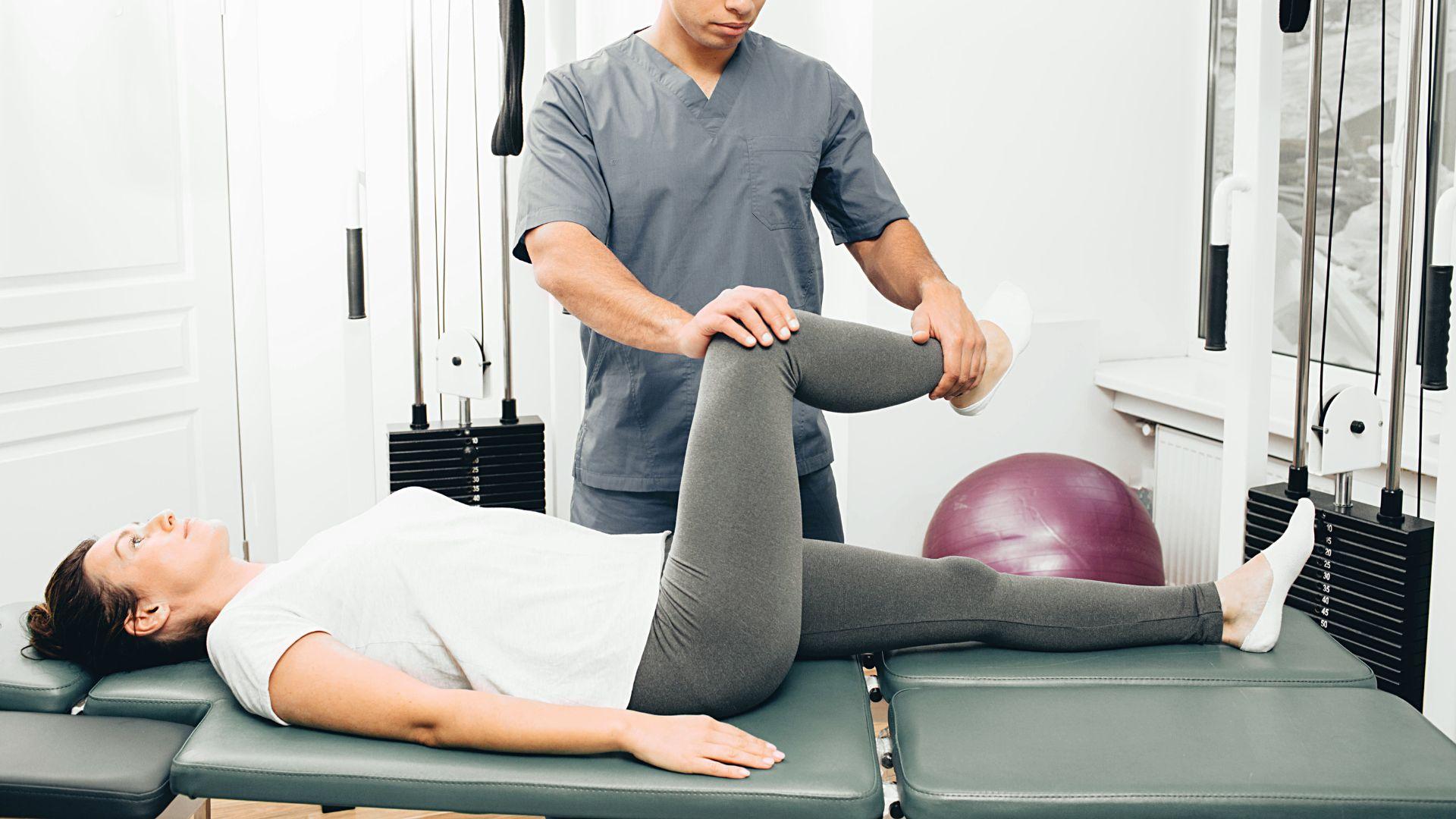
Some studios focus on basic stretching. Others offer assisted stretch therapy, where a trained practitioner moves you through controlled ranges for a deeper stretch.
Assisted Stretch vs Self Stretch
- Self-stretch relies on your own effort
- Assisted stretch allows your resting muscle to relax more fully
- Assisted stretch therapy may help you access a deeper stretch safely
Some providers use PNF, also known as proprioceptive neuromuscular facilitation. Research shows PNF stretching can improve range of motion when applied correctly and progressively.
If you are an athlete or highly active, ask whether the therapist individualizes sessions for athletic demands. If you are sedentary, ask how they address posture imbalance and muscular tightness from sitting.
3. Check Credentials and Training

Your stretch therapist should be highly trained. This matters more than fancy marketing.
Look for:
- Formal certification in assisted stretch therapy or myofascial techniques
- Continuing education in kinesiology and soft tissue work
- Experience working with athletes or specific conditions
Why does this matter?
Improper force or joint positioning increases the risk of injury. A trained practitioner understands fascia, tissue response, joint mechanics, and contraindications.
Red Flags to Watch
- “One stretch fits all” programs
- No assessment before treatment
- No mention of medical history intake
Your body deserves someone who knows how to individualize a stretching program safely.
4. Look for a Structured Process
A professional stretch session follows a plan. It should never feel random.
First, the therapist should review your medical history and goals. Then they should assess mobility, posture, and muscle imbalance.
A Quality Stretch Session Includes
- Consultation and intake
- Movement screening
- Personalized stretching program
- Follow-up recommendations
Tracking progress matters. A skilled therapist measures changes in range of motion and discomfort levels over time.
Below is a simple comparison to help you evaluate providers.
| Feature | Professional Stretch Therapy | Random Stretch Session |
| Intake assessment | Yes | No |
| Personalized plan | Yes | Generic routine |
| Progress tracking | Yes | None |
| Safety discussion | Yes | Rarely |
| At-home guidance | Included | Not provided |
If there is no structure, you are guessing.
5. Ask About Safety and Communication
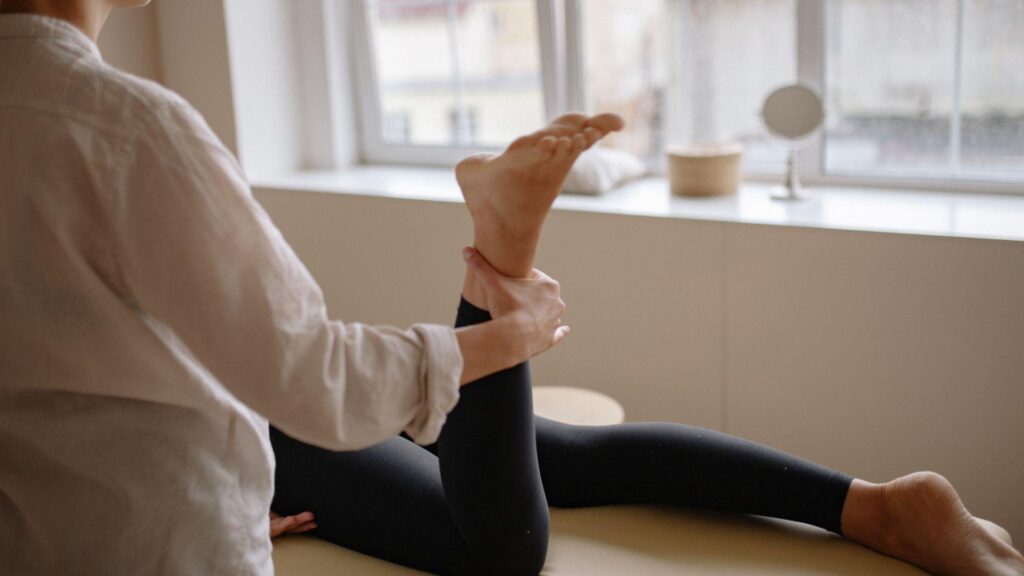
Stretching should challenge your muscles. It should not create sharp pain.
A responsible therapist will:
- Use a 1 to 10 intensity scale
- Explain what productive stretch discomfort feels like
- Adjust immediately if you report pain
According to the American College of Sports Medicine, stretching should create tension but not pain. Pushing beyond tolerance can trigger protective muscle contraction.
Special Considerations
You must speak up if you have:
- Hypermobility
- Prior surgeries
- Pregnancy
- Chronic joint instability
A therapist should customize accordingly. If they do not ask about your medical history, that is a problem.
6. Match Specialty Experience to Your Lifestyle
Honolulu has a very active community. Your therapist should understand your activity.
If you surf, you need shoulder mobility and thoracic rotation.
If you run, you need calf and hamstring flexibility.
If you practice BJJ, you need hip mobility and neck recovery.
An athletic therapist understands repetitive stress patterns and how to prevent injuries.
Ask directly, “Do you work with athletes in my sport?”
Specific experience reduces trial and error.
7. Evaluate Tools and Add-On Modalities Carefully

Some stretch therapy studios include add-ons like:
- Myofascial release
- Massage techniques
- Cupping
- Muscle flossing
- Kinesiology taping
These tools can support circulation and muscle recovery. However, they should not replace hands-on stretching expertise.
Evidence shows soft tissue techniques may improve short-term mobility and reduce muscle tightness when combined with movement training.
Source: National Library of Medicine, studies on myofascial release and range of motion
Ask this simple question:
“Why are you using this method for my specific tightness?”
If the answer is vague, reconsider.
8. Read Reviews With a Critical Eye
Reviews tell a story. Read carefully.
Look for mentions of:
- Improved flexibility
- Reduced aches and pains
- Better posture
- Professional communication
Ignore unrealistic medical claims. No stretch therapist can cure structural spinal conditions in one session.
Local reviews also reveal practical details about parking, scheduling, and consistency. If you cannot maintain regular stretch sessions, progress slows.
9. Compare Pricing With Structure, Not Just Time
Price alone means nothing.
Higher pricing often reflects:
- Advanced training
- Individualized attention
- Detailed consultation
- Personalized mobility plan
Ask what is included in the first session. Does it include assessment and planning, or just stretching?
Stretch therapy is not just about time on the table. It is about quality and personalization.
10. Choose a Schedule You Can Maintain
Consistency improves flexibility. Research supports that regular stretch improves overall movement and increases range of motion over weeks of repetition.
If you cannot commit, results will not stick.
Suggested Frequency
- Maintenance: every 2 to 4 weeks
- Athletic performance: weekly
- Recovery phase: once or twice per week
Choose a studio that fits your commute, schedule, and lifestyle. Convenience matters more than you think.
FAQs
1. Is Stretch Therapy the Same as Physical Therapy or Massage?
No. Physical therapy treats medical injuries under clinical supervision. Massage focuses on relaxation and soft tissue tension. Stretch therapy emphasizes mobility, flexibility, and range of motion. If you have acute injury or nerve symptoms, consult a licensed provider first.
2. How Often Should I Schedule a Stretch Session?
For general flexibility, every 2 to 4 weeks works well. Athletes or those recovering from repetitive strain may benefit from weekly sessions. Consistency increases flexibility more than occasional intense stretching.
3. What Should I Wear to an Assisted Stretch Session?
Wear flexible athletic clothing. Avoid jeans or restrictive fabric. Your therapist needs access to hips, hamstrings, shoulders, and joints to mobilize properly.
4. Can Stretch Therapy Help Tight Hamstrings and Lower Back Ache?
Yes, often. Tight hamstrings and hip flexors contribute to posture imbalance and lower back discomfort. Stretch therapy can improve circulation, relieve muscle tightness, and improve overall movement. However, persistent or radiating pain requires medical evaluation.
5. How Do I Know If a Therapist Is Pushing Too Hard?
You should feel strong tension but not sharp pain. You should not feel lingering joint discomfort after the session. Speak up immediately if something feels wrong.
Final Words – Make a Smart, Safe Choice
Choosing the right stretch therapist in Honolulu is not complicated. Define your goal. Confirm training. Look for structure. Prioritize safety. Match experience to your lifestyle. Stay consistent.
Stretch therapy can improve flexibility, support muscle recovery, increase range of motion, and help you move better without pain. When done properly, it improves the quality of life and helps prevent injuries. But results depend on who you trust with your body.
If you are ready to improve your range of motion, reduce stiffness, and finally feel a real difference in how you move, schedule a consultation with Dynamic Stretch Therapy in Honolulu. Every stretch session is personalized to your goals, activity level, and medical history.

Andrew Escudero, Certified Fascial Stretch Specialist and founder of his practice in Hawaii, has been helping clients restore pain-free mobility since 2019. With advanced training in Fascial Stretch Therapy, Dolphin MPS, RockTape techniques, and other modern bodywork methods, he combines expertise and personal experience to support lasting healing.