
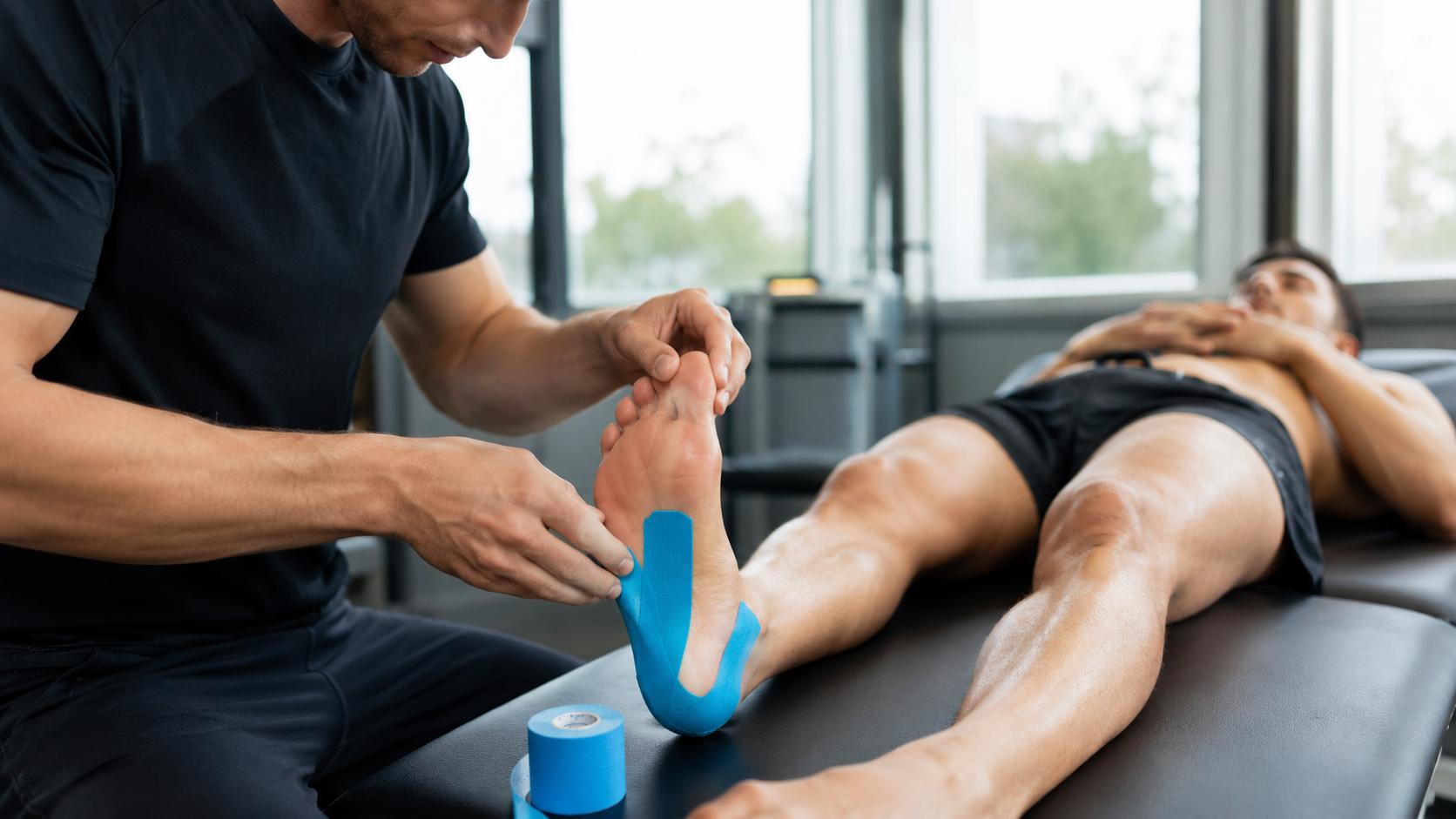
Kinesiology taping for plantar fasciitis has become one of the more popular ways to manage foot pain without completely shutting down your normal routine.
KT tape and kinesiology tape for plantar fasciitis may help support the arch of the foot, reduce tension on the plantar fascia, and improve comfort while walking or training. It is not magic, and it does not permanently fix plantar fasciitis pain, but it can be a useful part of a bigger recovery plan.
At Dynamic Stretch Therapy in Honolulu, treatment plans may include plantar fasciitis taping, Fascial Stretch Therapy, muscle flossing, IASTM blading, cupping, and mobility work. The goal is simple. Help you move better, reduce stress on irritated tissue, and get you back to daily life with less foot pain.
What You’ll Learn From This Article
If plantar fasciitis pain, arch pain, or morning heel pain keep returning, this guide explains possible causes and how kinesiology taping may help support recovery.
In this article, you’ll learn:
- What is plantar fasciitis, and what causes heel pain
- How kinesiology tape may support the plantar fascia
- Kinesiology tape vs. athletic tape
- Common taping techniques for heel pain relief
- How calf tightness and gait mechanics affect foot pain
- When kinesiology taping may or may not help
- Common taping mistakes to avoid
- What to expect during a taping session
- Simple at-home recovery tips
- When to seek professional care for heel pain or heel spurs
What Is Plantar Fasciitis?
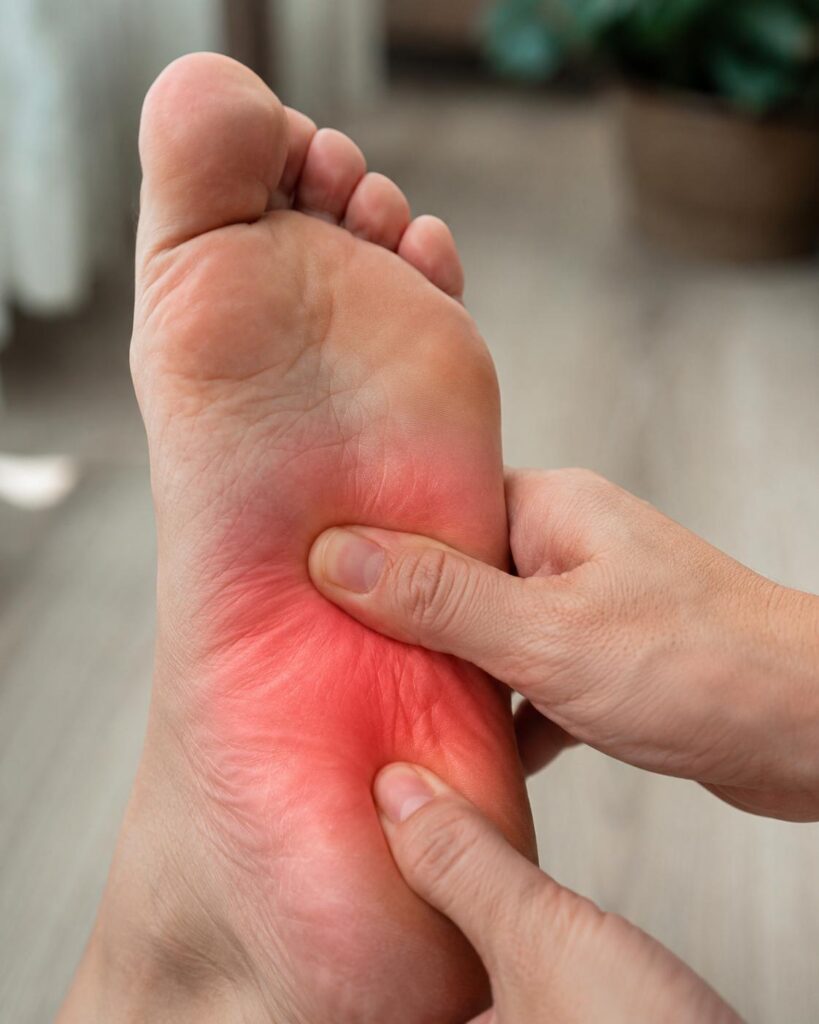
Your foot handles a surprising amount of force every single day. Before you understand plantar fasciitis taping, it helps to understand what is actually hurting underneath the foot.
How the Plantar Fascia Supports the Foot
The plantar fascia is a thick band of connective tissue that runs from your heel to the front of the foot. It supports the foot arch and helps absorb force while walking, running, jumping, and standing.
When excessive stress builds up repeatedly, small tears and irritation can develop in the tissue. That irritation is commonly called plantar fasciitis or PF.
Tight calf muscles, limited ankle mobility, poor gait mechanics, worn shoes, and abnormal foot structure can all increase strain on the plantar fascia.
Common Symptoms of Plantar Fasciitis
Most people notice symptoms slowly. Others wake up one morning and suddenly feel sharp heel pain.
Common symptoms include:
- Morning heel pain
- Arch pain
- Pain at the bottom of the foot
- Tight calf muscles
- Heel pain after standing
- Discomfort after workouts
- Sharp pain near a heel spur
- Pain that improves slightly after moving around
Some people also develop Achilles tendon tightness or Achilles tendonitis because the foot and calf mechanics change over time.
Why Plantar Fasciitis Is Common in Active People
Active people place more repetitive stress on the foot arch and plantar fascia.
You commonly see plantar fasciitis in:
- Runners
- Hikers
- Pickleball players
- Jiu-jitsu athletes
- Nurses
- Restaurant workers
- Hotel staff
- Fitness enthusiasts
Honolulu lifestyles often include long periods on hard surfaces, beach walking in flat sandals, barefoot activity, and high training volume. All of those may increase stress on the ligament and surrounding tissue.
Research published in the International Journal of Foot and Ankle discusses how repetitive overload and biomechanical stress may contribute to plantar fasciitis.
What Is Kinesiology Taping?
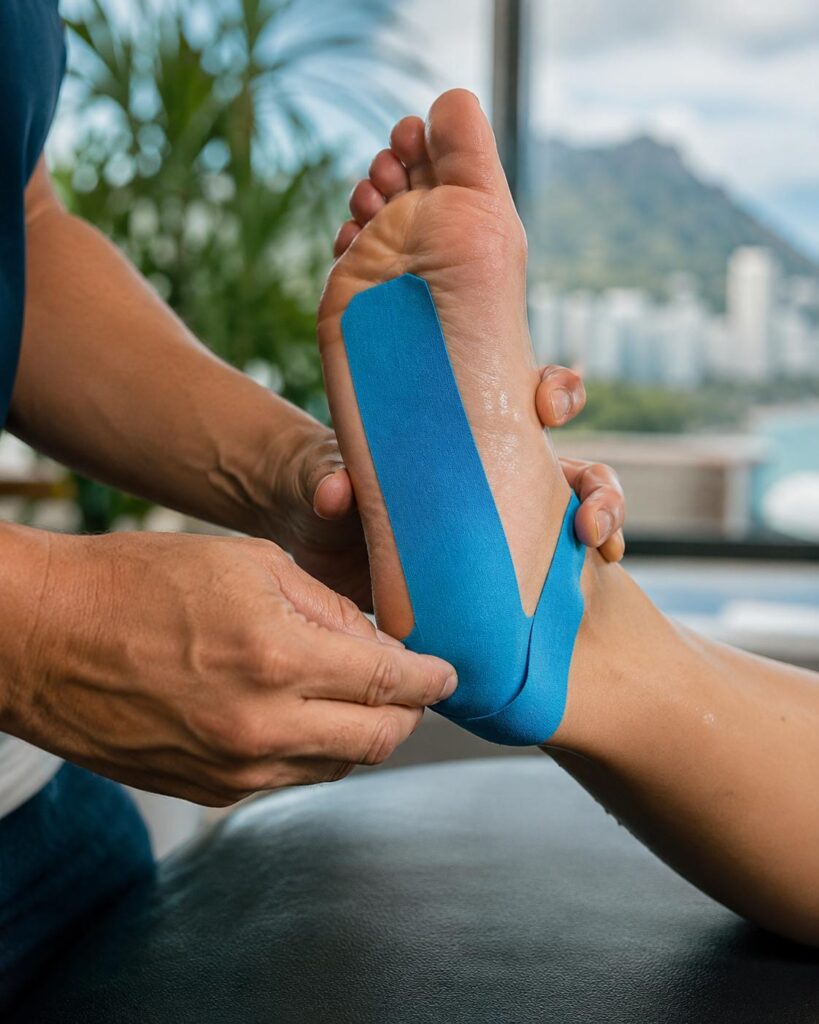
A lot of people see colorful strips of tape on athletes and assume it is just for looks. There is actually a reason clinicians and physiotherapists use kinesiology tape for plantar fasciitis and other injuries.
How Kinesiology Tape Differs From Athletic Tape
Traditional athletic tape feels stiff and restrictive. Kinesiology tape stretches and moves with your body.
KT tape, Kinesio tape, and similar products use elastic material with medical-grade adhesive that sticks to the skin while still allowing movement.
That flexibility makes kinesiology tape popular for:
- Plantar fasciitis
- Knee pain
- Achilles tendonitis
- Shoulder strain
- Sports recovery
Some patients simply tolerate kinesiology tape better because rigid athletic tape can feel too restrictive during walking or workouts.
How Kinesiology Tape May Support the Foot and Arch
Kinesiology tape for plantar fasciitis may help:
- Support the foot arch
- Reduce stress on irritated tissue
- Improve foot awareness during movement
- Reduce pulling along the plantar fascia
- Improve comfort during activity
Healthline explains that taping may reduce stretching and movement of the plantar fascia while standing and walking.
Some people feel relief immediately after applying the tape. Others notice more subtle improvement during activity.
What Kinesiology Taping Can and Cannot Do
Kinesiology taping may help support recovery, but it is not a complete fix.
Tape alone will not:
- Correct severe biomechanical issues
- Replace mobility work
- Repair tissue damage instantly
- Eliminate chronic plantar fasciitis pain permanently
A good treatment plan usually combines:
- Stretching
- Mobility work
- Proper footwear
- Shoe inserts or orthotics when needed
- Soft tissue work
- Recovery modification
Does Kinesiology Taping Help Plantar Fasciitis?
Research around plantar fasciitis taping continues to grow. Results vary, but several studies suggest taping may help with short-term pain management.
What Research Suggests About Short-Term Pain Relief
Some studies suggest kinesiology taping may reduce stress on the plantar fascia and improve heel pain relief temporarily.
A randomized clinical trial published in 2024 found that kinesiology tape showed better short-term pain reduction compared to low-dye taping during the first day after application. Researchers also reported better comfort, mobility, sweating tolerance, and durability.
That does not mean kinesiology tape cures PF. It simply may help reduce irritation while you continue treatment.
Kinesiology Tape vs. Low Dye Taping
Low dye taping uses more rigid tape to support the arch aggressively. Podiatrists and sports medicine providers still use it often.
Kinesiology tape offers a different feel. Many active adults prefer it because:
- It feels lighter
- It allows movement
- It handles sweat better
- It stays on longer during activity
Both taping methods can help. Your foot structure, gait, activity level, and pain severity all matter.
Why Kinesiology Taping Works Best as Part of a Larger Plan
If tight calf muscles, poor ankle mobility, weak foot mechanics, or worn shoes continue causing stress, the pain usually returns.
That is why treatment often works better when you combine:
- Kinesiology taping
- Stretch therapy
- Strengthening
- Recovery work
- Better movement habits
Some patients improve faster once they stop trying random online fixes and actually address the root cause.
Common Plantar Fasciitis Taping Techniques
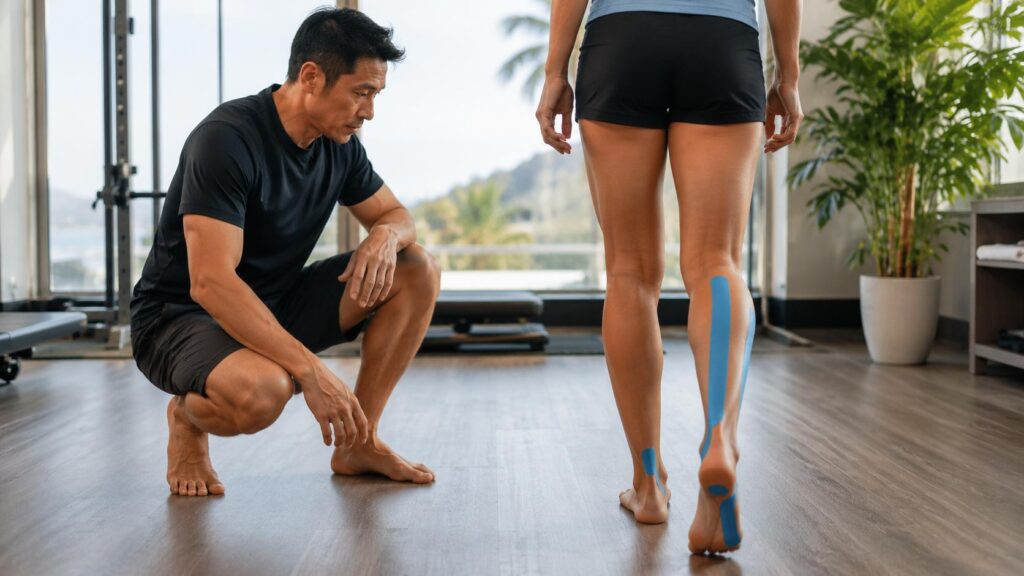
Several plantar fasciitis taping techniques exist. The exact taping technique depends on your symptoms and movement patterns.
Assessment Before Applying Kinesiology Tape
A provider should assess:
- Foot posture
- Walking mechanics
- Calf tightness
- Achilles tendon tension
- Arch collapse
- Mobility limitations
Sometimes the pain starts higher up the chain, not just inside the foot itself.
Preparing the Skin Properly
Good adhesion matters.
Before you apply the tape:
- Clean the skin
- Remove lotion or oils
- Dry the area completely
- Trim excess hair if necessary
Sweaty or oily skin often causes poor adhesion and early peeling.
Common Tape Placement for Heel and Arch Support
Most plantar fasciitis taping techniques focus on supporting the plantar fascia and foot arch.
Many kinesiology tape applications run:
- Along the arch of the foot
- Around the heel
- Across the bottom of the foot
- Toward the Achilles tendon
The amount of tension varies depending on the goal.
Kinesiology Taping Mistakes That Can Reduce Results
A few common errors make taping less effective:
| Common Mistake | Why It Causes Problems |
| Too much stretch | Can irritate skin and increase discomfort |
| Poor anchor placement | Tape peels quickly |
| Wet or oily skin | Weak adhesive hold |
| Ignoring skin sensitivity | May cause rash or irritation |
| Wrinkled application | Reduces support and comfort |
You should remove the tape immediately if numbness, burning, or severe irritation develops.
When to Remove or Reapply Tape
Most kinesiology tape stays on for about 3 to 5 days.
Remove it sooner if you notice:
- Skin irritation
- Itching
- Rash
- Blistering
- Peeling edges
- Increased foot pain
Slow removal usually reduces skin irritation.
Who May Benefit From Kinesiology Taping?
Not everyone needs plantar fasciitis taping, but many active adults benefit from temporary support.
You may benefit if you:
- Stand for long periods
- Train frequently
- Have mild to moderate plantar fasciitis pain
- Need support between therapy sessions
- Want to stay active during recovery
People recovering from Achilles tendon irritation or calf tightness may also benefit from tape that reduces stress across the foot and ankle chain.
When Kinesiology Taping May Not Be Enough
Sometimes heel pain needs more than tape.
You should seek medical evaluation if you experience:
- Severe swelling
- Numbness
- Tingling
- Sudden worsening pain
- Inability to walk comfortably
- Persistent symptoms lasting months
A podiatrist or healthcare professional may evaluate for:
- Heel spur complications
- Stress fractures
- Tendon injuries
- Nerve irritation
- Severe inflammation
Treatment options sometimes include:
- Orthotics
- Night splint use
- Physical therapy
- Acupuncture
- Anti-inflammatory care
- Custom orthotics
- Shoe inserts
Dynamic Stretch Therapy’s Approach in Honolulu
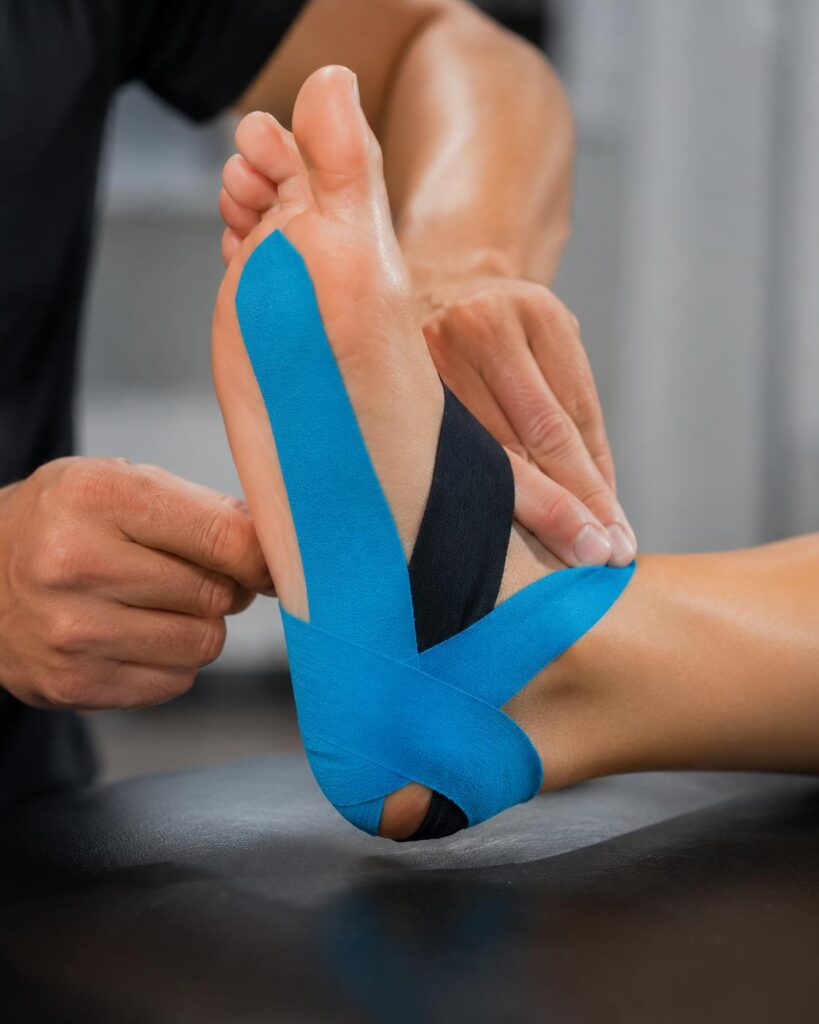
At Dynamic Stretch Therapy, plantar fasciitis treatment focuses on improving movement quality instead of only chasing symptoms.
Sessions may include:
- Kinesiology taping
- Fascial Stretch Therapy
- IASTM blading
- Muscle flossing
- Cupping
- Mobility work
Treatment may also address:
- Achilles tendon tension
- Tight calves
- Restricted ankle mobility
- Poor gait mechanics
- Hip mobility limitations
Every patient moves differently. That is why personalized treatment matters.
What to Expect During a Kinesiology Taping Session
A typical session usually starts with a conversation about your symptoms, training habits, work demands, and injury history.
Movement assessments may include:
- Walking analysis
- Foot arch evaluation
- Calf mobility testing
- Achilles tendon assessment
- Hip and ankle mobility checks
After assessment, your provider may apply kinesiology tape and show you how to manage symptoms at home.
You may also receive:
- Stretch recommendations
- Recovery advice
- Footwear suggestions
- Activity modifications
At-Home Tips to Support Plantar Fasciitis Recovery
Recovery usually works better when you stay consistent with simple daily habits.
Gentle Calf and Foot Stretching
Tight calf muscles increase stress on the plantar fascia. Gentle stretching may help reduce tension through the lower leg and foot arch.
Footwear and Arch Support Basics
Worn shoes often make plantar fasciitis worse. Supportive shoes, orthotics, insole support, or shoe inserts may reduce stress during walking and standing.
Activity Modification
You do not always need complete rest. Reducing repetitive impact temporarily often helps calm irritated tissue while allowing recovery.
Recovery Habits for Active Honolulu Residents
Recovery matters more than many people realize. Sleep, hydration, mobility work, and proper training balance all affect tissue healing.
When to Book Professional Support
If plantar fasciitis pain keeps interrupting your workouts, work shifts, or daily movement, professional care may help identify the actual cause faster.
FAQs
1. Does kinesiology tape work for plantar fasciitis in Honolulu?
Kinesiology tape may help reduce plantar fasciitis pain temporarily by supporting the arch and reducing tension on the plantar fascia during movement.
2. What are the disadvantages of taping the plantar fascia?
Possible downsides include skin sensitivity, adhesive irritation, temporary relief only, and poor results from incorrect taping technique.
3. Is taping better than stretching for plantar fasciitis?
Not really. Taping and stretching do different jobs. Tape supports the foot temporarily, while stretching helps improve mobility and reduce long-term tension.
4. When should you not use kinesiology tape?
Avoid kinesiology tape if you have open wounds, severe skin irritation, adhesive allergies, active skin infections, or significant swelling unless a medical professional has cleared you first.
5. How long do you leave KT tape on?
Most KT tape stays on for 3 to 5 days, depending on sweating, activity level, and skin sensitivity.
6. Is kinesiology taping available in Honolulu?
Yes. Dynamic Stretch Therapy in Honolulu offers kinesiology taping as part of recovery and mobility-focused treatment plans.
Conclusion
Plantar fasciitis can make everyday movement painful, especially when tight calves, poor footwear, and repetitive stress continue to strain the plantar fascia. Kinesiology taping for plantar fasciitis may help reduce stress on irritated tissue and improve comfort during movement, especially when combined with stretching, mobility work, and recovery-focused care.
If heel pain keeps interfering with your workouts, work shifts, or daily routine, a stretch therapist can help identify the cause. At Dynamic Stretch Therapy in Honolulu, we focus on movement-based care designed to help you stay active with less pain and better mobility. Schedule a consultation to get started.

Andrew Escudero, Certified Fascial Stretch Specialist and founder of his practice in Hawaii, has been helping clients restore pain-free mobility since 2019. With advanced training in Fascial Stretch Therapy, Dolphin MPS, RockTape techniques, and other modern bodywork methods, he combines expertise and personal experience to support lasting healing.